Sieć Reklamowa Google, czyli Google Display Network, to zbiór miejsc, w których mogą wyświetlać się reklamy graficzne i multimedialne: strony internetowe, aplikacje, wideo oraz wybrane powierzchnie Google, takie jak YouTube i Gmail. W odróżnieniu od Search użytkownik nie wpisuje tu aktywnie zapytania, dlatego strategia musi być inna.
Display najlepiej rozumieć jako kanał do budowania zasięgu, przypominania o marce, remarketingu i wspierania popytu. Może generować sprzedaż i leady, ale wymaga dobrej kreacji, kontroli odbiorców, poprawnego pomiaru i realistycznej oceny roli w lejku.
W skrócie
- Google Display Network pozwala docierać do użytkowników poza wynikami wyszukiwania.
- Reklamy mogą pojawiać się na stronach, w aplikacjach i w wybranych usługach Google.
- Podstawowym formatem są elastyczne reklamy displayowe, ale można też używać własnych banerów.
- Display sprawdza się w remarketingu, zasięgu, rozważaniu zakupu i wsparciu kampanii sprzedażowych.
- Ocena wyłącznie po ostatnim kliknięciu może zaniżać wartość kanału.
Jak działa Sieć Reklamowa Google?
Kampania Display łączy targetowanie, kreacje, stawki i miejsca emisji. Reklama może być kierowana na odbiorców, tematy, placementy, dane demograficzne lub automatyczne sygnały systemu. Google Ads dopasowuje format reklamy do dostępnego miejsca, zwłaszcza przy Responsive Display Ads.
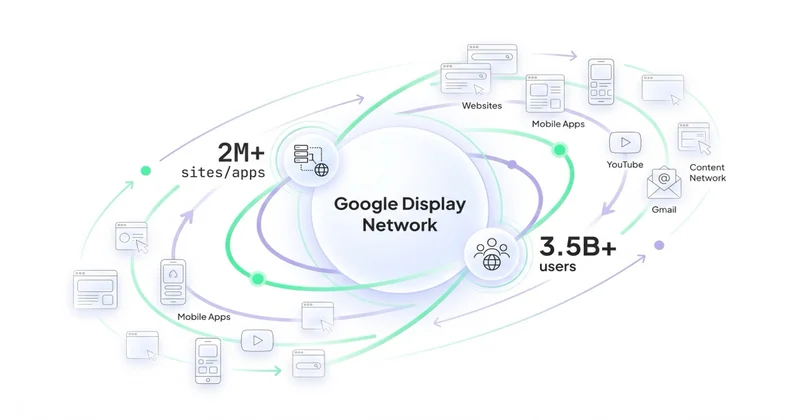
Google opisuje kampanie Display jako sposób dotarcia do użytkowników w wielu miejscach podczas przeglądania stron, aplikacji oraz korzystania z usług takich jak YouTube i Gmail.
Display a Search
| Obszar | Search | Display |
|---|---|---|
| Intencja | Aktywne zapytanie | Kontekst, odbiorca, zainteresowanie |
| Format | Tekst, zasoby, czasem obrazy | Obraz, tekst, wideo, formaty responsywne |
| Rola | Przechwycenie popytu | Budowanie i przypominanie popytu |
| Pomiar | Często bliżej ostatniego kliknięcia | Często rola wspomagająca |
| Ryzyko | Zbyt szerokie dopasowanie słów | Niska jakość placementów lub kreacji |
Te kanały powinny się uzupełniać. Display może sprawić, że więcej osób później wyszuka markę lub produkt, a Search może domykać intencję.
Główne zastosowania Display
Remarketing
Reklamy przypominają ofertę osobom, które wcześniej były na stronie, oglądały produkty, dodały coś do koszyka albo rozpoczęły formularz.
Budowanie zasięgu
Display pozwala dotrzeć do nowych użytkowników poza wyszukiwarką. Wymaga to jednak jasnego komunikatu i kontroli jakości ruchu.
Kampanie sezonowe
Promocje, wyprzedaże, premiery i akcje specjalne mogą zyskać większą widoczność dzięki grafikom i krótkim komunikatom.
Wsparcie treści
Display może promować poradniki, raporty, webinary i treści edukacyjne, szczególnie w B2B lub przy dłuższej ścieżce decyzyjnej.
Targetowanie w Display
Najczęstsze typy targetowania:
- remarketing,
- segmenty niestandardowe,
- odbiorcy o podobnych zainteresowaniach,
- użytkownicy aktywnie poszukujący produktów lub usług,
- dane demograficzne,
- tematy,
- placementy,
- automatyczne targetowanie.
Im szersza grupa, tym większe znaczenie mają kreacje, budżet testowy i kontrola wyników po jakości ruchu, a nie tylko po kliknięciach.
Kreacje w Sieci Reklamowej
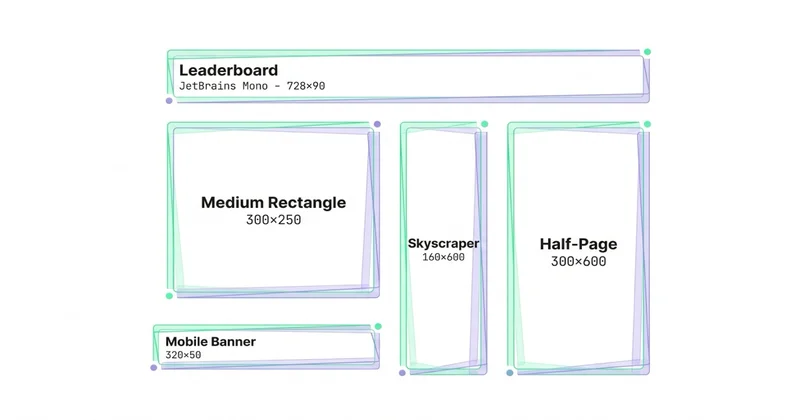
Najczęściej używanym formatem są Responsive Display Ads. Można też przesyłać własne banery, np. JPG, PNG, GIF, HTML5 lub AMPHTML, zgodnie ze specyfikacją Google.
Dobra kreacja displayowa powinna:
- jasno pokazywać produkt lub usługę,
- mieć czytelny komunikat,
- działać w małym formacie,
- nie opierać się na zbyt drobnym tekście,
- prowadzić do spójnej strony,
- mieć warianty dla różnych etapów lejka.
Jak to działa w e-commerce?
W sklepach internetowych Display może wspierać:
- remarketing produktów,
- porzucone koszyki,
- promocje sezonowe,
- kolekcje,
- kategorie o wysokiej marży,
- odzyskiwanie użytkowników po porównywaniu produktów.
Ważne, aby nie traktować Display jako zamiennika Shopping lub PMax. W e-commerce podstawą nadal jest feed produktowy, cena, dostępność, zdjęcia, strona produktu i proces zakupu.
Jak mierzyć efekty?
Warto analizować:
- konwersje i wartość konwersji,
- konwersje wspomagane,
- koszt pozyskania,
- częstotliwość,
- zasięg,
- placementy,
- jakość ruchu w GA4,
- listy odbiorców,
- wpływ na zapytania brandowe,
- skuteczność kreacji.
W remarketingu można oczekiwać wyników bliżej sprzedaży. W prospectingu trzeba uwzględnić dłuższą ścieżkę.
Jak podchodzimy do tego w Space Ads
W Space Ads nie traktujemy Display jako prostego zamiennika Search, Shopping lub Performance Max. Najpierw określamy rolę kampanii: remarketing, promocja sezonowa, wsparcie contentu, budowanie rozpoznawalności albo poszerzenie list odbiorców przed kolejnym kontaktem. Od tej roli zależą kreacje, segmenty, placementy, częstotliwość i sposób oceny wyników. W remarketingu pilnujemy wykluczeń po zakupie, limitów kontaktu i spójności komunikatu z etapem decyzji. W prospectingu większe znaczenie mają jakość kreacji, kontekst emisji, zachowanie użytkowników po kliknięciu, wpływ na zapytania brandowe, listy remarketingowe i późniejsze konwersje wspomagane. Display może działać dobrze, ale tylko wtedy, gdy nie jest oceniany wyłącznie po CTR lub ostatnim kliknięciu.
Najczęstsze błędy
- Brak rozdzielenia remarketingu i prospectingu.
- Zbyt szerokie targetowanie bez kontroli budżetu.
- Kreacje bez jasnego produktu lub obietnicy.
- Brak kontroli placementów.
- Używanie jednego komunikatu dla wszystkich etapów lejka.
- Ocena wyłącznie po CTR.
- Brak limitu częstotliwości lub kontroli zmęczenia kreacją.
FAQ
Czy Display nadaje się do sprzedaży?
Tak, szczególnie w remarketingu. Przy pozyskiwaniu nowych użytkowników częściej pełni rolę wspierającą i wymaga dłuższej oceny.
Czy lepsze są RDA czy własne banery?
RDA dają skalę i elastyczność. Własne banery dają większą kontrolę nad wyglądem. Najczęściej warto testować oba podejścia.
Czy Display konkuruje z Performance Max?
Może częściowo dotykać podobnych powierzchni, ale rola kampanii zależy od ustawień i celu. Warto kontrolować budżety, odbiorców i raporty, aby kanały się uzupełniały.
Czy trzeba wykluczać placementy?
W wielu kampaniach tak. Analiza placementów pomaga ograniczać emisję w miejscach o niskiej jakości ruchu lub niedopasowanym kontekście.
Najważniejsze
Sieć Reklamowa Google jest kanałem wizualnym i kontekstowym. Największą wartość daje wtedy, gdy ma jasno określoną rolę: remarketing, zasięg, promocja lub wsparcie decyzji. Skuteczność zależy od kreacji, odbiorców, kontroli placementów, pomiaru i spójności ze stroną docelową.
Kampanie w sieci reklamowej — z kontrolą miejsc docelowych i wykluczeń — prowadzimy w ramach kampanii Google Ads.
Źródła i dalsza lektura
Czytaj również

Benchmarki Google Ads: jak z nich korzystać, żeby nie wprowadzały w błąd
Średni CTR lub CPC ma wartość dopiero po dopasowaniu definicji, typu kampanii, rynku i celu. Pokazujemy, jak ocenić benchmark i zbudować własny punkt odniesienia.


Reklama aplikacji mobilnej: kampanie Google App i Meta
Google App campaigns i Meta Advantage+ app campaigns automatyzują dystrybucję, lecz nie zastępują strategii. Wynik zależy od zdarzeń po instalacji, jakości kreacji, deep linków i ekonomii kohort.

Eksperymenty w Google Ads: testy, które kończą się decyzją
Dobry eksperyment Google Ads zaczyna się od hipotezy, minimalnego istotnego efektu i reguły decyzji. Wyjaśniamy typy testów, podział ruchu, moc, opóźnienie konwersji i interpretację wyników.