Evergreen content to treści, które zachowują wartość przez długi czas. Nie są zależne wyłącznie od bieżącej daty, newsa lub krótkiego trendu. Dobrze przygotowany materiał evergreen może przez lata przyciągać ruch organiczny, wspierać sprzedaż i odpowiadać na powtarzalne pytania użytkowników.

Nie oznacza to, że taki content nie wymaga aktualizacji. Treści „wiecznie zielone” nadal trzeba przeglądać, szczególnie gdy dotyczą narzędzi, danych, przepisów, platform reklamowych albo procesów technologicznych.
W skrócie
- Evergreen content zachowuje użyteczność przez długi czas.
- Najlepiej sprawdza się przy definicjach, poradnikach, checklistach, FAQ, porównaniach i procesach.
- Treść evergreen powinna być kompletna, aktualizowana i oparta na źródłach.
- W SEO pomaga budować stabilny ruch, linkowanie wewnętrzne i autorytet tematyczny.
- W e-commerce może wspierać poradniki zakupowe, rozmiarówki, instrukcje i treści kategorii.
Czym evergreen różni się od treści newsowych?
| Obszar | Evergreen | News |
|---|---|---|
| Czas życia | Długi | Krótki |
| Temat | Powtarzalne pytanie lub problem | Bieżące wydarzenie |
| Aktualizacja | Cykliczna | Często jednorazowa |
| SEO | Stabilny potencjał | Krótkie wzrosty |
| Przykład | „Jak mierzyć ROAS?” | „Nowa funkcja Google Ads w maju” |
Oba typy treści mogą być wartościowe. Evergreen buduje bazę wiedzy, a newsy pokazują aktualność i reagowanie na zmiany.
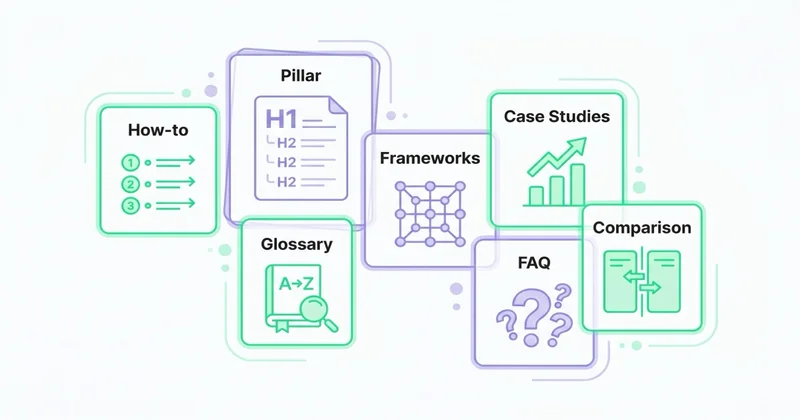
Przykłady evergreen contentu
- definicje pojęć,
- poradniki krok po kroku,
- checklisty,
- słowniki branżowe,
- porównania rozwiązań,
- instrukcje,
- FAQ,
- artykuły „jak wybrać”,
- strony filarowe,
- poradniki zakupowe,
- case studies z uniwersalnymi wnioskami.
Jak tworzyć dobry evergreen content?
1. Wybór tematu
Temat powinien odpowiadać na pytanie, które będzie wracać. Dobre źródła tematów to Search Console, dane z kampanii, rozmowy z klientami, support, wewnętrzna wyszukiwarka i analiza konkurencji.
2. Intencja użytkownika
Trzeba określić, czy użytkownik chce definicji, procesu, porównania, listy narzędzi, przykładu czy decyzji zakupowej. Format treści powinien wynikać z intencji.
3. Kompletna struktura
Dobry evergreen zawiera:
- krótką definicję,
- wstęp,
- sekcję „w skrócie”,
- rozwinięcie,
- przykłady,
- FAQ,
- podsumowanie,
- źródła,
- linki wewnętrzne.
4. E-E-A-T
Treść powinna pokazywać doświadczenie i odpowiedzialność:
- autor lub redakcja,
- źródła,
- data aktualizacji,
- przykłady praktyczne,
- ograniczenia i wyjątki,
- jasne rozróżnienie faktów i opinii.
5. Aktualizacja
Evergreen powinien mieć harmonogram przeglądu. Tematy stabilne można aktualizować rzadziej, a tematy zależne od platform i przepisów częściej.
Evergreen w e-commerce
W sklepach internetowych evergreen może obejmować:
- poradniki rozmiarów,
- poradniki wyboru produktu,
- instrukcje pielęgnacji,
- porównania materiałów,
- FAQ dostawy i zwrotów,
- rankingi kategorii aktualizowane cyklicznie,
- treści edukacyjne przy kategoriach.
Przykład: „Jak dobrać buty trekkingowe?” może wspierać kategorię przez lata, jeśli jest aktualizowany o nowe modele, rozmiary i linki do produktów.
Jak mierzyć evergreen content?
Warto analizować:
- ruch organiczny w czasie,
- pozycje na główne zapytania,
- liczbę zapytań long-tail,
- przejścia do ofert,
- konwersje wspomagane,
- linki wewnętrzne,
- aktualność źródeł,
- spadki po zmianach algorytmów lub intencji.
Evergreen powinien być oceniany długoterminowo. Jeden miesiąc rzadko pokazuje pełną wartość.
Jak podchodzimy do tego w Space Ads
W Space Ads traktujemy evergreen jako bazę wiedzy, która ma stale odpowiadać na powtarzalne pytania klientów i wspierać widoczność ważnych usług lub kategorii. Przy wyborze tematów sprawdzamy intencję, dane z Search Console, rozmowy z klientami, sezonowość i miejsce treści w klastrze, żeby nie tworzyć kilku artykułów o tym samym celu. W samej treści pilnujemy definicji, przykładów, źródeł, FAQ, linków wewnętrznych i jasnego kolejnego kroku. Evergreen nie jest dla nas tekstem „napisanym raz na zawsze”: planujemy przeglądy, aktualizujemy przykłady, narzędzia, daty, linki i fragmenty, które mogły stracić aktualność. Dzięki temu artykuł może pracować długo, ale nadal pozostaje użyteczny i wiarygodny.
Najczęstsze błędy
- Publikacja bez późniejszych aktualizacji.
- Treść zbyt ogólna, bez przykładów.
- Brak źródeł i daty przeglądu.
- Tworzenie kilku podobnych artykułów o tej samej intencji.
- Brak linków do usług, kategorii lub produktów.
- Używanie tytułu evergreen dla treści sezonowej.
- Sztuczne wydłużanie tekstu bez wartości.
FAQ
Czy evergreen content musi być długi?
Nie. Powinien być wystarczająco kompletny, aby odpowiedzieć na intencję. Czasem wystarczy krótka definicja, a czasem potrzebny jest rozbudowany poradnik.
Jak często aktualizować evergreen?
To zależy od tematu. Treści o narzędziach, platformach reklamowych, prawie i danych warto przeglądać częściej niż treści o podstawowych definicjach.
Czy evergreen content sprzedaje?
Może sprzedawać bezpośrednio lub pośrednio. Często buduje zaufanie i prowadzi użytkownika do kategorii, usługi, newslettera lub kontaktu.
Czy newsy są gorsze od evergreen?
Nie. Newsy i evergreen mają różne role. Najlepsza strategia contentowa zwykle łączy bazę evergreen z aktualnymi materiałami.
Najważniejsze
Evergreen content to baza wiedzy, która pracuje długo po publikacji. Największą wartość daje wtedy, gdy odpowiada na trwałą intencję, jest aktualizowany, zawiera źródła i prowadzi użytkownika do kolejnego sensownego kroku.
Źródła i dalsza lektura
Czytaj również

Content marketing, czyli sposób na budowanie profesjonalnego wizerunku przedsiębiorstwa
Content marketing buduje widoczność, zaufanie i popyt przez treści, które odpowiadają na realne pytania klientów, a nie tylko zbierają frazy SEO. Wpis pokazuje, jak łączyć intencje, klastry tematów, E-E-A-T, dystrybucję, aktualizacje i pomiar, żeby treści wspierały sprzedaż oraz decyzje użytkowników.



Czym jest Inbound Marketing i jak go wykorzystać?
Inbound marketing przyciąga odbiorców przez treści, doświadczenie i pomoc w decyzji, zamiast opierać się wyłącznie na przerywaniu reklamą. Wpis wyjaśnia etapy attract, engage i delight, różnicę między inbound a outbound oraz rolę SEO, contentu, e-maila, CRM, automatyzacji i kampanii płatnych.

O czym pisać posty na bloga?
Tematy na blog firmowy powinny wynikać z realnych pytań klientów, intencji wyszukiwania, celów biznesowych i miejsca wpisu w klastrze tematycznym. Wpis pokazuje, skąd brać pomysły, jak planować treści pod SEO, AEO i LLM SEO oraz jak unikać przypadkowych tekstów pisanych wyłącznie pod frazy.