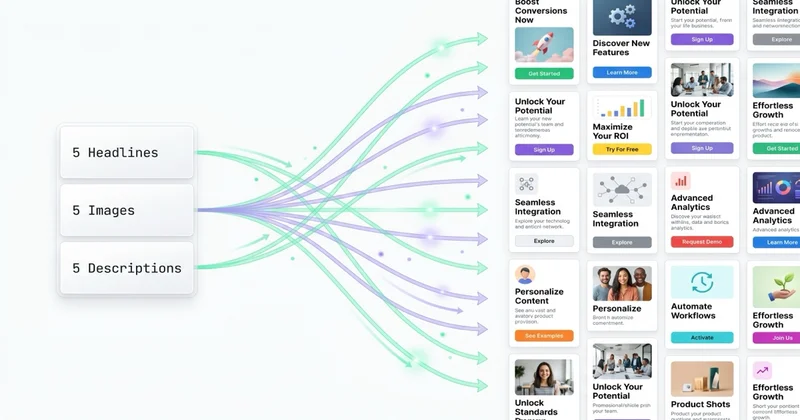
Elastyczne reklamy displayowe w Google Ads, czyli Responsive Display Ads, to format reklam graficznych, w którym system łączy przesłane zasoby w różne warianty reklam dopasowane do dostępnych miejsc emisji. Zamiast przygotowywać osobny baner dla każdego wymiaru, można dostarczyć zestaw obrazów, logo, nagłówków, opisów i opcjonalnie wideo.

Ten format jest szczególnie przydatny wtedy, gdy kampania ma działać w różnych miejscach sieci reklamowej i na różnych urządzeniach. Elastyczność nie oznacza jednak braku kontroli. Skuteczność zależy od jakości zasobów, jasnej komunikacji, targetowania, stawek i poprawnego pomiaru konwersji.
W skrócie
- Responsive Display Ads automatycznie dopasowują rozmiar, układ i kombinację zasobów do miejsca emisji.
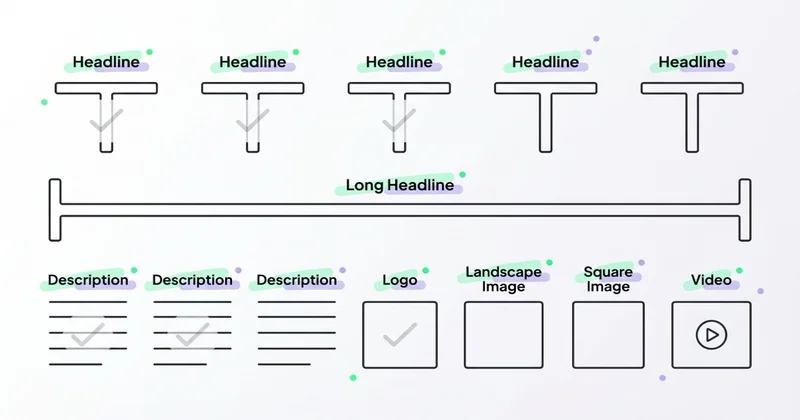
- Do reklamy można dodać obrazy, logo, nagłówki, długie nagłówki, opisy i wideo.
- Google Ads tworzy kombinacje zasobów i optymalizuje je na podstawie dostępnych sygnałów.
- Format dobrze sprawdza się w remarketingu, kampaniach zasięgowych i działaniach wspierających popyt.
- Słabe zdjęcia, zbyt ogólne teksty i brak kontroli placementów obniżają jakość kampanii.
Jak działają elastyczne reklamy displayowe?
Reklamodawca przesyła zasoby, a Google Ads składa z nich reklamy w różnych formatach. Ta sama reklama może wyglądać inaczej na stronie internetowej, w aplikacji, w Gmailu lub na YouTube, ponieważ system dopasowuje ją do dostępnej przestrzeni.
Zasoby mogą obejmować:
- krótkie nagłówki,
- długi nagłówek,
- opisy,
- obrazy poziome i kwadratowe,
- logo,
- nazwę firmy,
- wideo,
- feed produktowy przy kampaniach dynamicznych.
Google opisuje Responsive Display Ads jako format, w którym można przesłać zasoby, a system generuje kombinacje reklam dla stron, aplikacji, YouTube i Gmaila.
RDA a klasyczne banery
| Obszar | Elastyczne reklamy displayowe | Klasyczne banery |
|---|---|---|
| Produkcja kreacji | Jeden zestaw zasobów dla wielu miejsc | Osobne pliki dla wielu rozmiarów |
| Kontrola layoutu | Niższa | Wyższa |
| Skalowanie | Szybsze | Wolniejsze |
| Testowanie wariantów | Automatyczne kombinacje | Ręczne warianty |
| Spójność wizualna | Zależna od jakości zasobów | Łatwiejsza do utrzymania |
Najlepsze podejście często łączy oba formaty: elastyczne reklamy displayowe zapewniają skalę, a banery projektowane ręcznie dają większą kontrolę w najważniejszych placementach lub kampaniach wizerunkowych.
Kiedy warto korzystać z RDA?
Remarketing
RDA dobrze nadają się do dotarcia do osób, które wcześniej odwiedziły stronę, dodały produkt do koszyka albo oglądały konkretną kategorię. Przy feedzie produktowym mogą wspierać dynamiczny remarketing.
Kampanie zasięgowe
Przy działaniach górnej części lejka elastyczne reklamy displayowe pozwalają szybko przetestować kilka komunikatów, grafik i segmentów odbiorców.
Wsparcie innych kanałów
Display rzadko powinien być oceniany wyłącznie jak Search. Może wspierać rozpoznawalność, przypomnienie oferty, powrót do strony i domykanie ścieżki zakupowej.
E-commerce
W sklepach internetowych RDA są przydatne w remarketingu, promocjach sezonowych, kampaniach na kategorie i dynamicznych reklamach z produktami. Kluczowa jest jednak jakość feedu, zdjęć i stron produktowych.
Jak przygotować dobre zasoby?
Obrazy
Zdjęcia powinny jasno pokazywać produkt, usługę, kontekst użycia albo konkretną korzyść. Należy unikać obrazów z dużą ilością tekstu, przyciskami, sztucznymi kolażami i elementami, które po przycięciu stracą sens.
Warto przygotować:
- obrazy poziome,
- obrazy kwadratowe,
- warianty z produktem,
- warianty lifestyle,
- logo w dobrej jakości,
- wersje z czytelnym kontrastem.
Nagłówki
Nagłówki muszą działać samodzielnie, bo mogą być wyświetlane w różnych kombinacjach. Dobrze, gdy obejmują:
- nazwę oferty,
- główną korzyść,
- konkretny problem,
- kategorię produktu,
- wyróżnik marki.
Nie powinny powtarzać dokładnie tej samej treści. Powtarzalność ogranicza testowanie.
Opisy
Opisy powinny doprecyzować obietnicę z nagłówka. Warto używać konkretnych informacji: zakresu usługi, typu produktu, czasu dostawy, warunków, zastosowania lub grupy odbiorców. Ogólniki typu „najlepsza jakość” nie wnoszą wiele.
Targetowanie i odbiorcy
Elastyczne reklamy displayowe mogą być używane w różnych strategiach targetowania. Najczęściej spotykane zastosowania:
- remarketing,
- segmenty niestandardowe,
- odbiorcy podobni lub lookalike w obsługiwanych kampaniach,
- tematy i placementy,
- dane demograficzne,
- segmenty o wysokiej intencji,
- połączenie z automatyzacją kampanii.
Im szersze targetowanie, tym ważniejszy staje się pomiar konwersji i kontrola jakości ruchu.
Jak mierzyć skuteczność?
W Display trzeba patrzeć szerzej niż na sam ostatni klik. W zależności od celu kampanii warto analizować:
- konwersje i wartość konwersji,
- koszt konwersji lub ROAS,
- konwersje po wyświetleniu, jeśli mają sens w danej strategii,
- jakość ruchu w GA4,
- częstotliwość,
- zasięg,
- placementy,
- segmenty odbiorców,
- skuteczność poszczególnych zasobów.
Dla remarketingu istotna jest także wielkość list i czas od ostatniej wizyty. Reklama kierowana do osoby, która była na stronie wczoraj, ma inną rolę niż reklama kierowana po kilku miesiącach.
RDA a Performance Max i Demand Gen
Responsive Display Ads nadal są ważnym formatem w kampaniach displayowych, ale Google coraz mocniej rozwija kampanie oparte na zasobach i automatyzacji, takie jak Performance Max i Demand Gen. Dlatego warto myśleć o zasobach szerzej: dobre obrazy, nagłówki i wideo mogą być wykorzystywane w wielu typach kampanii.
W maju 2026 Google zapowiedział przejście Google Display Ads do środowiska Demand Gen. Dla praktyki oznacza to, że zasoby displayowe powinny być projektowane z myślą o wielu powierzchniach emisji i większej roli kreacji w kampaniach opartych na popycie.
Jak podchodzimy do tego w Space Ads
W Space Ads elastyczne reklamy displayowe oceniamy przez jakość zasobów, miejsc emisji i rolę kampanii w lejku. Najczęściej wykorzystujemy je w remarketingu, kampaniach wspierających popyt i testach komunikatów, a nie jako prosty zamiennik Search. Przed skalowaniem sprawdzamy obrazy, nagłówki, opisy, logo, feed, strony docelowe i pomiar konwersji. Regularnie analizujemy placementy, częstotliwość, jakość ruchu w GA4 oraz skuteczność poszczególnych assetów, bo tani zasięg bez kontroli może generować kliknięcia o niskiej wartości. Dobre RDA mają przypominać o ofercie w bezpiecznym kontekście, testować komunikaty i wspierać powrót użytkownika, a nie tylko dostarczać niski CPC.
Najczęstsze błędy
- Używanie przypadkowych zdjęć stockowych bez związku z ofertą.
- Dodawanie zbyt podobnych nagłówków.
- Brak wersji kwadratowych i poziomych.
- Nadmiar tekstu na grafikach.
- Ocena Display wyłącznie po ostatnim kliknięciu.
- Brak wykluczeń placementów niskiej jakości.
- Kierowanie reklam na zbyt szeroką grupę bez odpowiedniego budżetu i pomiaru.
FAQ
Czy RDA zastępują banery statyczne?
Nie zawsze. RDA są wygodne i skalowalne, ale banery statyczne dają większą kontrolę nad projektem. W kampaniach wizerunkowych, partnerskich i premium nadal warto projektować wybrane formaty ręcznie.
Czy w RDA trzeba dodawać wideo?
Nie zawsze, ale wideo może zwiększyć liczbę dostępnych wariantów emisji. Jeśli używane jest wideo, powinno być zrozumiałe bez dźwięku i dopasowane do krótkiego kontaktu z reklamą.
Czy RDA nadają się do sprzedaży?
Tak, szczególnie w remarketingu i kampaniach dynamicznych. Przy pozyskiwaniu nowych użytkowników trzeba oceniać nie tylko koszt kliknięcia, ale jakość ruchu i wpływ na całą ścieżkę.
Jak często odświeżać kreacje?
Częstotliwość zależy od budżetu, zasięgu i częstotliwości kontaktu. Gdy rośnie częstotliwość, spada CTR albo pogarsza się koszt konwersji, warto przygotować nowe warianty.
Najważniejsze
Elastyczne reklamy displayowe pozwalają szybko skalować kampanie graficzne, ale ich jakość zależy od zasobów. Dobre RDA wymagają jasnych zdjęć, zróżnicowanych nagłówków, konkretnych opisów, kontroli placementów i sensownego pomiaru efektów. W e-commerce trzeba dodatkowo zadbać o feed produktowy, strony docelowe i spójność promocji.
Reklamy displayowe wdrażamy i optymalizujemy w ramach kampanii Google Ads — z naciskiem na jakość zasobów i kontrolę miejsc docelowych.
Źródła i dalsza lektura
Czytaj również

Benchmarki Google Ads: jak z nich korzystać, żeby nie wprowadzały w błąd
Średni CTR lub CPC ma wartość dopiero po dopasowaniu definicji, typu kampanii, rynku i celu. Pokazujemy, jak ocenić benchmark i zbudować własny punkt odniesienia.


Reklama aplikacji mobilnej: kampanie Google App i Meta
Google App campaigns i Meta Advantage+ app campaigns automatyzują dystrybucję, lecz nie zastępują strategii. Wynik zależy od zdarzeń po instalacji, jakości kreacji, deep linków i ekonomii kohort.

Eksperymenty w Google Ads: testy, które kończą się decyzją
Dobry eksperyment Google Ads zaczyna się od hipotezy, minimalnego istotnego efektu i reguły decyzji. Wyjaśniamy typy testów, podział ruchu, moc, opóźnienie konwersji i interpretację wyników.