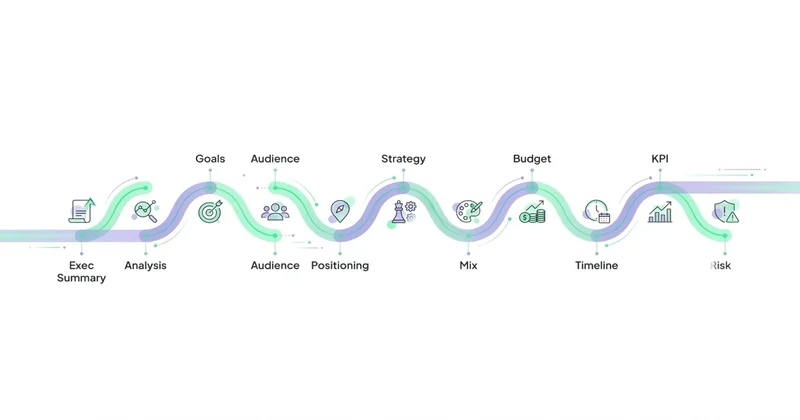
Plan marketingowy to dokument lub roboczy system, który porządkuje cele, grupy odbiorców, kanały, budżet, komunikację, harmonogram i sposób mierzenia efektów. Dobry plan nie musi być długi. Musi być użyteczny: pomaga podejmować decyzje i sprawdzać, czy działania prowadzą do celu.

Plan marketingowy powinien łączyć strategię z wykonaniem. Bez tego łatwo tworzyć kampanie, treści i posty, które wyglądają aktywnie, ale nie wynikają z żadnego priorytetu biznesowego.
W skrócie
- Plan marketingowy opisuje, co ma zostać osiągnięte, dla kogo, jakimi kanałami, w jakim czasie i za jaki budżet.
- Powinien zawierać cele, grupy odbiorców, propozycję wartości, kanały, budżet, KPI i harmonogram.
- Najlepszy plan jest zwięzły, aktualizowany i oparty na danych.
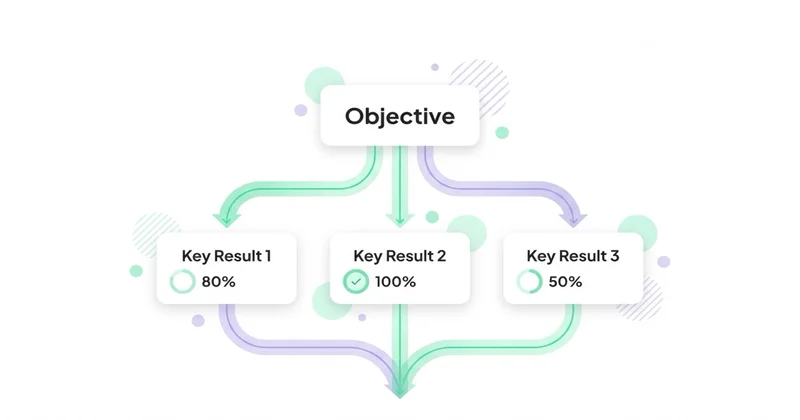
- Cele powinny być mierzalne i powiązane z wynikiem biznesowym.
- W e-commerce plan musi uwzględniać sezonowość, marżę, dostępność produktów i retencję.
Po co tworzyć plan marketingowy?
Plan pomaga:
- ustalić priorytety,
- nie rozpraszać budżetu,
- dopasować kanały do celu,
- określić odpowiedzialności,
- mierzyć efekty,
- planować kreacje i treści,
- unikać przypadkowych działań.
Bez planu marketing często reaguje na bieżące pomysły zamiast realizować strategię.
Elementy skutecznego planu marketingowego
1. Diagnoza sytuacji
Na początku trzeba opisać aktualny stan:
- oferta,
- pozycja marki,
- wyniki sprzedaży,
- kanały pozyskania,
- konkurencja,
- sezonowość,
- mocne i słabe strony,
- ograniczenia budżetowe i operacyjne.
2. Cele
Cel powinien być konkretny i mierzalny. Przykłady:
- zwiększenie liczby kwalifikowanych leadów,
- poprawa ROAS w kampaniach,
- wzrost sprzedaży kategorii,
- zwiększenie udziału ruchu organicznego,
- poprawa retencji klientów,
- wejście na nowy rynek.
3. Grupa docelowa
Plan musi określać, do kogo kierowana jest komunikacja. Warto opisać segmenty, potrzeby, bariery, etap lejka i wartość klienta.
4. Propozycja wartości
Trzeba jasno zapisać, dlaczego odbiorca ma wybrać daną ofertę. Propozycja wartości powinna być konkretna, wiarygodna i odróżniająca.
5. Kanały
Kanały powinny wynikać z celu:
- Search dla aktywnego popytu,
- Shopping i PMax dla e-commerce,
- SEO i content dla długoterminowej widoczności,
- social i YouTube dla popytu oraz rozpoznawalności,
- e-mail dla retencji,
- remarketing dla powrotów.
6. Budżet
Budżet trzeba podzielić na media, kreacje, treści, narzędzia, analitykę, obsługę i testy. Sama kwota na kliknięcia nie wystarczy.
7. KPI i pomiar
KPI muszą pasować do celu. Inne wskaźniki są ważne przy budowaniu marki, inne przy sprzedaży, a inne przy lead generation.
8. Harmonogram
Plan powinien wskazywać, co dzieje się w konkretnych tygodniach lub miesiącach: kampanie, treści, testy, wdrożenia i przeglądy wyników.
Prosty szablon planu
| Sekcja | Pytanie |
|---|---|
| Cel | Co ma się zmienić? |
| Odbiorcy | Do kogo kierowana jest komunikacja? |
| Problem | Jaką potrzebę rozwiązuje oferta? |
| Kanały | Gdzie odbiorcy podejmują decyzję? |
| Komunikat | Co trzeba powiedzieć, aby zbudować zaufanie? |
| Budżet | Ile można wydać i na co? |
| KPI | Po czym będzie wiadomo, że plan działa? |
| Harmonogram | Kiedy zostaną wykonane działania? |
Plan marketingowy w e-commerce
W sklepie internetowym plan powinien uwzględniać:
- sezonowość,
- kalendarz promocji,
- dostępność produktów,
- marżę kategorii,
- feed produktowy,
- kampanie Shopping i PMax,
- SEO kategorii,
- e-mail i porzucone koszyki,
- retencję,
- logistykę i zwroty.
Nie wystarczy zaplanować ruchu. Trzeba też zaplanować konwersję i obsługę popytu.
Jak podchodzimy do tego w Space Ads
Plan marketingowy traktujemy jako system decyzji, nie dokument tworzony raz w roku. Zaczynamy od diagnozy: co dziś ogranicza wzrost, gdzie jest popyt, jakie są marże, które kanały działają i czego brakuje w pomiarze. Potem zapisujemy kilka hipotez, właścicieli działań, budżet, termin oraz KPI, które pozwolą podjąć decyzję. Najważniejsze jest to, żeby plan miał rytm przeglądu: co tydzień lub co miesiąc sprawdzamy, które działania zbliżają firmę do celu, które trzeba poprawić, a które zamknąć. Dobry plan nie udaje, że przewidzi cały rok. Daje zespołowi jasne priorytety i mechanizm uczenia się z danych.
Najczęstsze błędy
- Plan jako prezentacja, której nikt później nie używa.
- Cele bez liczb i terminów.
- Brak właścicieli działań.
- Rozdzielenie planu marketingu od sprzedaży.
- Budżet bez rezerwy na testy.
- KPI niedopasowane do etapu lejka.
- Brak regularnych przeglądów.
FAQ
Czy plan marketingowy musi być długi?
Nie. Krótki plan, który jest używany co tydzień, ma większą wartość niż długi dokument bez wpływu na decyzje.
Jak często aktualizować plan?
Główne założenia warto przeglądać kwartalnie, a działania operacyjne co tydzień lub co miesiąc, zależnie od skali.
Czy plan marketingowy jest potrzebny małej firmie?
Tak, ale powinien być prosty. Mała firma szczególnie potrzebuje priorytetów, bo zwykle ma ograniczony budżet i czas.
Czy plan powinien obejmować SEO i reklamy płatne razem?
Tak. Użytkownik nie widzi kanałów jako osobnych silosów. Plan powinien pokazywać, jak SEO, paid, content, social i e-mail wspierają wspólny cel.
Najważniejsze
Skuteczny plan marketingowy łączy cel, odbiorców, kanały, budżet, komunikację i pomiar. Powinien być wystarczająco konkretny, aby prowadzić codzienne decyzje, i wystarczająco elastyczny, aby reagować na dane.
Źródła i dalsza lektura
Czytaj również
Jak zbudować strategię marketingową dla firmy: proces, decyzje i szablon
Strategia marketingowa porządkuje cele, odbiorców, pozycjonowanie, kanały, budżet i pomiar. Zobacz proces budowy strategii, zestaw decyzji oraz prosty szablon do pracy z zespołem.


Strategia marketingowa a plan marketingowy — czym się różnią i od czego zacząć
Jeżeli zespół ma kalendarz kampanii, ale nie potrafi wyjaśnić wyboru rynku, klienta i budżetu, ma plan bez strategii. Ten tekst rozdziela decyzje strategiczne od listy działań i pokazuje, kiedy potrzebujesz jednego, drugiego albo obu naraz.

ChatGPT Ads — formaty reklam i limity znaków według dokumentacji OpenAI
Reklama w ChatGPT pojawia się pod odpowiedzią i ma sześć elementów, a limity są konkretne: tytuł 3–50 znaków, opis do 100. Obiegowe liczby „24 / 48 znaków" nie zgadzają się z dokumentacją, więc wpis podaje pełną tabelę limitów, pokazuje, jak zmieścić komunikat po polsku, i opisuje wymogi wobec obrazu, reklam produktowych oraz strony docelowej.