Precyzyjne targetowanie reklam polega na dopasowaniu komunikatu, kanału i oferty do właściwego odbiorcy oraz etapu decyzji. Nie chodzi o maksymalne zawężanie grupy, ale o takie wykorzystanie danych i kreacji, aby reklama odpowiadała na realną potrzebę.
Współczesne targetowanie coraz częściej opiera się na sygnałach first-party, jakości zdarzeń, automatyzacji i dobrych kreacjach. Ręczne mikrotargetowanie ma mniejsze znaczenie niż kiedyś, jeśli algorytm nie otrzymuje poprawnych danych i jasnego celu.
W skrócie
- Precyzyjne targetowanie to dopasowanie odbiorcy, komunikatu i etapu lejka.
- Lejek marketingowy porządkuje drogę od świadomości do zakupu i lojalności.
- Na górze lejka ważne są zasięg i edukacja, na dole intencja i konwersja.
- Dane first-party, Customer Match i poprawny pomiar są coraz ważniejsze dla jakości kampanii.
- W e-commerce targetowanie powinno uwzględniać zachowania zakupowe, koszyk, kategorie, LTV i marżę.
Czym jest lejek marketingowy?
Lejek marketingowy to uproszczony model ścieżki odbiorcy:
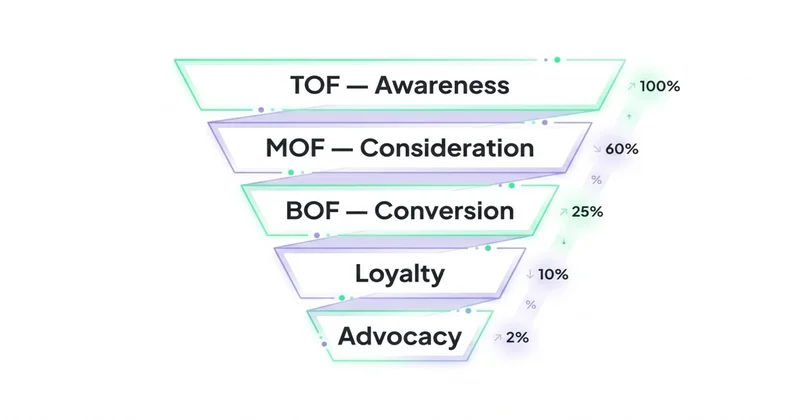
| Etap | Cel | Przykładowe działania |
|---|---|---|
| Świadomość | Dotarcie do osób, które jeszcze nie znają marki | YouTube, social, Display, PR, content |
| Zainteresowanie | Wyjaśnienie problemu i wartości | Poradniki, wideo, newsletter, remarketing |
| Rozważanie | Porównanie opcji | Case studies, porównania, opinie, demo |
| Decyzja | Zakup lub kontakt | Search, Shopping, landing page, oferta |
| Lojalność | Powrót i rekomendacje | E-mail, CRM, remarketing, program lojalnościowy |
Lejek nie zawsze jest liniowy. Użytkownik może wracać między etapami, porównywać ofertę wielokrotnie i konwertować w innym kanale niż ten, który pierwszy zbudował zainteresowanie.
Co oznacza precyzyjne targetowanie?
Precyzja nie oznacza tylko wąskiej grupy odbiorców. Obejmuje:
- właściwy cel kampanii,
- właściwy etap lejka,
- właściwą kreację,
- właściwy landing page,
- poprawny pomiar,
- właściwe wykluczenia,
- dobrą jakość danych.
Reklama może być źle targetowana nawet wtedy, gdy grupa odbiorców jest technicznie poprawna. Przykład: użytkownik dostaje reklamę produktu premium, ale landing page prowadzi do ogólnej kategorii bez informacji o wartości.
Targetowanie na górze lejka
Na tym etapie odbiorcy często nie znają jeszcze marki lub nie rozumieją problemu. Reklama powinna:
- przyciągnąć uwagę,
- wyjaśnić kategorię,
- pokazać problem,
- zbudować pierwsze skojarzenie,
- zachęcić do kontaktu z treścią.
Dobre kanały:
- YouTube,
- Meta Ads,
- Display,
- Demand Gen,
- content marketing,
- PR.
Metryki: zasięg, częstotliwość, obejrzenia, wejścia na stronę, wzrost wyszukiwań brandowych, zaangażowanie.
Targetowanie w środku lejka
Użytkownik zna już problem i porównuje rozwiązania. Komunikacja powinna odpowiadać na pytania, obiekcje i różnice między opcjami.
Dobre formaty:
- case studies,
- poradniki,
- porównania,
- webinary,
- remarketing,
- newsletter,
- strony kategorii i usług.
Metryki: powroty, pobrania, czas zaangażowania, zapisy, przejścia do oferty, mikrokonwersje.
Targetowanie na dole lejka
Na dole lejka liczy się intencja. Użytkownik szuka ceny, kontaktu, dostępności, konkretnego produktu lub dostawcy.
Dobre kanały:
- Google Search,
- Shopping,
- Performance Max,
- remarketing,
- kampanie brandowe,
- e-mail sprzedażowy.
Metryki: CPA, ROAS, wartość konwersji, jakość leadów, współczynnik konwersji.
Dane first-party i Customer Match
Dane first-party to informacje zebrane bezpośrednio przez firmę, np. e-maile klientów, historia zakupów, zgody marketingowe, zdarzenia na stronie i dane CRM. W kampaniach reklamowych mogą wspierać remarketing, Customer Match, wykluczenia, segmentację i optymalizację.
Google opisuje Customer Match jako rozwiązanie pozwalające wykorzystywać dane online i offline do docierania oraz ponownego angażowania klientów w usługach Google, przy zachowaniu zasad prywatności i zgód.
Jak to działa w e-commerce?
W sklepie internetowym targetowanie może bazować na:
- oglądanych produktach,
- dodaniach do koszyka,
- porzuconych checkoutach,
- zakupach,
- kategoriach,
- wartości koszyka,
- marży,
- częstotliwości zakupów,
- produktach komplementarnych.
Przykład: osoba, która kupiła ekspres do kawy, może dostać komunikację o filtrach, kawie i akcesoriach, a osoba z porzuconym koszykiem inny komunikat niż nowy użytkownik z kampanii zasięgowej.
Jak podchodzimy do tego w Space Ads
Precyzję targetowania budujemy przez trafność sygnałów, nie przez dokładanie kolejnych filtrów. Najpierw określamy etap lejka i rolę kampanii: zasięg, edukacja, porównanie, sprzedaż, powrót lub retencja. Potem dobieramy komunikat, landing page i zdarzenie optymalizacji. Szeroka grupa może być bardzo precyzyjna, jeśli kreacja jasno kwalifikuje odbiorcę, a algorytm dostaje dobre konwersje, wartości i dane first-party. Wąska grupa bez skali często tylko podnosi koszt i ogranicza naukę. Dlatego wykorzystujemy listy klientów, Customer Match, wykluczenia i segmenty remarketingowe jako sygnały strategiczne, a nie jako próbę ręcznego kontrolowania każdego użytkownika.
Najczęstsze błędy
- Zbyt wąskie grupy odbiorców bez skali.
- Ten sam komunikat na wszystkich etapach lejka.
- Brak wykluczenia obecnych klientów w kampaniach pozyskujących.
- Remarketing bez segmentacji.
- Optymalizacja pod mikrokonwersje bez wartości.
- Brak zgód i porządku w danych first-party.
- Mylenie precyzji z nadmiernym zawężeniem.
FAQ
Czy precyzyjne targetowanie oznacza małą grupę odbiorców?
Nie. Precyzyjne targetowanie oznacza trafność. Czasem lepsza jest szersza grupa z dobrą kreacją i pomiarem niż zbyt wąski segment bez skali.
Czy lejek marketingowy nadal ma sens?
Tak, jako model porządkujący strategię. Trzeba jednak pamiętać, że realna ścieżka użytkownika nie zawsze jest liniowa.
Czy algorytmy zastępują targetowanie?
Nie. Automatyzacja pomaga znaleźć odbiorców, ale potrzebuje dobrych danych, celów, kreacji i strony docelowej.
Czy targetowanie w B2B różni się od e-commerce?
Tak. W B2B ważniejsze są stanowiska, branże, problemy, wieloosobowy proces decyzyjny i jakość leadów. W e-commerce częściej liczą się zachowania zakupowe, feed i koszyk.
Najważniejsze
Precyzyjne targetowanie polega na dopasowaniu komunikatu do odbiorcy i etapu decyzji. Najlepsze efekty daje połączenie lejka, danych first-party, poprawnego pomiaru, segmentacji i kreacji przygotowanych pod konkretną intencję.
Budowę lejka i dopasowanie komunikatów do jego etapów prowadzimy w ramach reklam na Facebooku i Instagramie.
Źródła i dalsza lektura
Czytaj również

ChatGPT Ads — formaty reklam i limity znaków według dokumentacji OpenAI
Reklama w ChatGPT pojawia się pod odpowiedzią i ma sześć elementów, a limity są konkretne: tytuł 3–50 znaków, opis do 100. Obiegowe liczby „24 / 48 znaków" nie zgadzają się z dokumentacją, więc wpis podaje pełną tabelę limitów, pokazuje, jak zmieścić komunikat po polsku, i opisuje wymogi wobec obrazu, reklam produktowych oraz strony docelowej.


OpenAI Ads Manager — jak wygląda panel i jak uruchomić pierwszą kampanię
OpenAI Ads Manager ma trzy poziomy struktury — kampanię, grupę reklam i reklamę — lecz start wymaga także weryfikacji firmy, konfiguracji płatności i świadomego wyboru nieodwracalnych ustawień. Wpis prowadzi przez aktualny proces i wyjaśnia podpowiedzi kontekstowe, budżety, oCPC, kierowanie oraz różnice między panelem, Ads API i operacjami hurtowymi.

Promocja aplikacji: kolejność, która faktycznie działa
Promocja aplikacji zaczyna się przed zakupem instalacji: od gotowości produktu, zdefiniowanej aktywacji, prywatnego pomiaru i karty sklepowej dopasowanej do intencji. Dopiero potem skaluje się kanały.