Keyword Matrix to uporządkowana macierz słów kluczowych, tematów, intencji i docelowych adresów URL. Najczęściej ma formę arkusza, ale w praktyce jest czymś więcej niż listą fraz. To mapa decyzji: które tematy są ważne, jaka strona ma odpowiadać na daną intencję, gdzie występuje kanibalizacja i jakie treści trzeba stworzyć lub poprawić.
Dobrze przygotowana Keyword Matrix łączy SEO, content, Google Ads, analitykę i strategię oferty. Sprawdza się w sklepach internetowych, firmach usługowych, B2B, SaaS, marketplace’ach, mediach i serwisach edukacyjnych. E-commerce jest tylko jednym z zastosowań, nie domyślną ramą dla każdego projektu.
W skrócie
- Keyword Matrix to system organizacji fraz, nie jednorazowy research słów kluczowych.
- Jedna macierz powinna łączyć frazę, intencję, etap lejka, klaster, docelowy URL, status i priorytet.
- Celem nie jest zebranie jak największej liczby fraz, tylko przypisanie właściwych tematów do właściwych stron.
- Jeden adres URL może obsługiwać cały klaster powiązanych zapytań, a nie tylko jedną frazę.
- Macierz pomaga ograniczyć kanibalizację, bo pokazuje, które strony konkurują o tę samą intencję.
- W erze AI Search warto dodać kolumny dotyczące źródeł, struktury odpowiedzi i danych uporządkowanych.
Słowniczek pojęć
- Słowo kluczowe — fraza wpisywana w wyszukiwarkę lub używana w kampanii reklamowej.
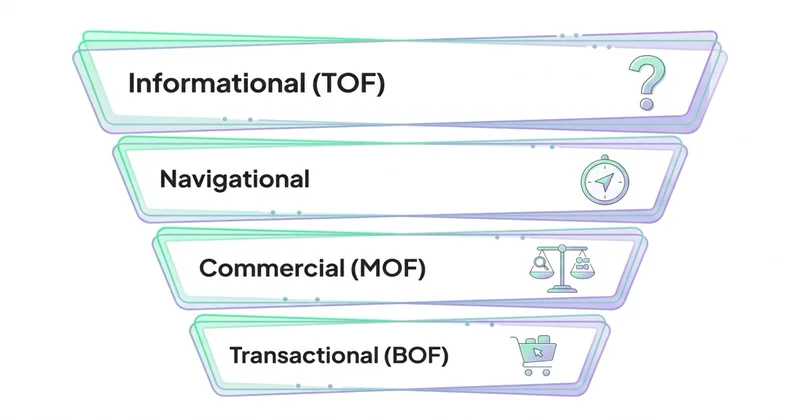
- Intencja wyszukiwania — cel użytkownika: informacyjny, komercyjny, transakcyjny albo nawigacyjny.
- Klaster tematyczny — grupa powiązanych zapytań wokół jednego tematu.
- Pillar page — główna strona lub wpis opisujący temat szeroko.
- Supporting content — treści wspierające, które odpowiadają na węższe pytania.
- Kanibalizacja — sytuacja, w której kilka adresów konkuruje o tę samą intencję.
- Volume — szacowana liczba wyszukiwań miesięcznie.
- Keyword Difficulty (KD) — szacowana trudność zdobycia widoczności na daną frazę.
- AEO / LLM SEO — optymalizacja treści pod odpowiedzi, cytowalność i zrozumiałość dla systemów AI oraz wyszukiwarek.
Po co tworzyć Keyword Matrix
Lista słów kluczowych pokazuje, czego ludzie szukają. Keyword Matrix pokazuje, co z tym zrobić.
Dobrze zbudowana macierz odpowiada na pytania:
- Które tematy są najważniejsze dla biznesu?
- Które frazy mają intencję informacyjną, a które zakupową lub leadową?
- Który adres URL powinien odpowiadać na daną intencję?
- Czy istnieją treści, które konkurują ze sobą o tę samą frazę?
- Gdzie brakuje strony, wpisu, kategorii, landing page’a albo sekcji FAQ?
- Które tematy warto wspierać kampaniami Google Ads?
- Które treści wymagają aktualizacji, źródeł albo lepszego ustrukturyzowania?
Bez takiej mapy łatwo produkować treści, które wyglądają aktywnie, ale nie budują autorytetu tematycznego i nie prowadzą użytkownika do decyzji.
Struktura Keyword Matrix
Podstawowa macierz może mieć 12-15 kolumn. Nie każda firma potrzebuje od razu pełnego zestawu, ale poniższy układ dobrze sprawdza się jako standard.
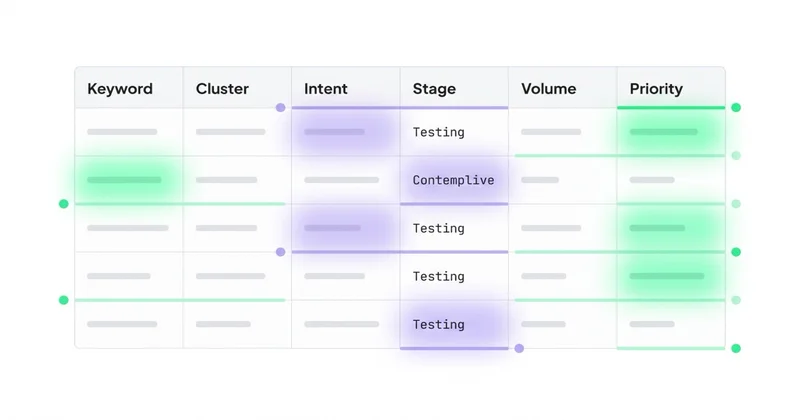
| Kolumna | Co zawiera |
|---|---|
| Fraza główna | najważniejsze zapytanie dla danego wiersza |
| Frazy wspierające | warianty, pytania i synonimy |
| Klaster tematyczny | nadrzędny temat |
| Intencja | informacyjna, komercyjna, transakcyjna, nawigacyjna |
| Etap lejka | świadomość, rozważanie, decyzja, retencja |
| Typ strony | wpis, kategoria, landing page, produkt, poradnik, FAQ |
| Docelowy URL | adres, który ma obsługiwać daną intencję |
| Obecna pozycja | dane z Google Search Console lub narzędzia SEO |
| Volume | szacowana liczba wyszukiwań |
| Trudność / konkurencja | KD, konkurencja reklamowa albo ocena ręczna |
| Wartość biznesowa | wpływ na sprzedaż, leady, retencję lub autorytet |
| Status treści | istnieje, do aktualizacji, do stworzenia, do scalenia |
| Priorytet | wysoki, średni, niski |
| Źródła / dowody | dane, raporty, dokumentacja, doświadczenia |
| AEO / AI Search | FAQ, definicja, tabela, schema, cytowalny fragment |
Przykłady zastosowania
Firma usługowa
| Fraza | Intencja | Typ strony | Docelowy URL | Cel |
|---|---|---|---|---|
| audyt google ads | komercyjna | landing page / poradnik | /blog/czym-jest-audyt-google-ads-i-jak-go-wykonac | wyjaśnienie usługi i pozyskanie leada |
| agencja google ads poznań | transakcyjna | strona usługowa | /google-ads | kontakt handlowy |
| ile kosztuje google ads | informacyjno-komercyjna | wpis / sekcja FAQ | /blog/... | edukacja i kwalifikacja zapytania |
B2B / SaaS
| Fraza | Intencja | Typ strony | Docelowy URL | Cel |
|---|---|---|---|---|
| system do raportowania marketingu | komercyjna | landing page | /produkt/raportowanie | trial lub demo |
| jak mierzyć CAC | informacyjna | poradnik | /blog/jak-mierzyc-cac | edukacja i budowa autorytetu |
| dashboard marketingowy dla zarządu | komercyjna | case study / landing | /case-study/... | lead wysokiej jakości |
Sklep internetowy
| Fraza | Intencja | Typ strony | Docelowy URL | Cel |
|---|---|---|---|---|
| krem do cery wrażliwej | transakcyjna | kategoria | /kategoria/kremy-do-cery-wrazliwej | sprzedaż |
| jak dobrać krem do cery | informacyjna | poradnik | /blog/jak-dobrac-krem-do-cery | wsparcie decyzji |
| najlepszy krem nawilżający | komercyjna | ranking / poradnik | /blog/najlepszy-krem-nawilzajacy | porównanie i przejście do kategorii |
W każdym z tych przykładów macierz pomaga uniknąć sytuacji, w której kilka wpisów próbuje odpowiadać na tę samą intencję.
Jak zbudować Keyword Matrix krok po kroku
Krok 1 — zdefiniowanie obszarów biznesowych
Najpierw trzeba wypisać główne obszary oferty, problemy klientów, typy usług, kategorie produktów albo funkcje aplikacji. To etap strategiczny, nie narzędziowy.
Przykład dla agencji marketingowej: Google Ads, Meta Ads, analityka, CRO, strategia, content, automatyzacja raportowania.
Krok 2 — zebranie danych o frazach
Źródła mogą być darmowe i płatne:
- Google Search Console,
- Google Keyword Planner,
- autouzupełnianie Google,
- sekcje „Podobne pytania” i „Podobne wyszukiwania”,
- Ahrefs, Semrush, Senuto, SE Ranking,
- dane z Google Ads,
- pytania sprzedaży i obsługi klienta,
- wewnętrzna wyszukiwarka serwisu.
Narzędzia AI mogą pomóc w grupowaniu tematów, ale nie powinny zastępować danych z wyszukiwarki, GSC i realnych rozmów z klientami.
Krok 3 — klasyfikacja intencji
Każda fraza powinna dostać intencję. To ważniejsze niż sam wolumen.
| Intencja | Przykład | Najlepszy typ treści |
|---|---|---|
| Informacyjna | co to jest consent mode | definicja, poradnik, FAQ |
| Komercyjna | najlepsza agencja google ads | porównanie, case study, strona usługi |
| Transakcyjna | audyt google ads cena | landing page, oferta, formularz |
| Nawigacyjna | google analytics logowanie | treść pomocnicza lub brak priorytetu |
Krok 4 — grupowanie w klastry
Frazy nie powinny być traktowane pojedynczo. Jeden dobry adres może odpowiadać na kilka lub kilkanaście blisko powiązanych zapytań. Macierz powinna wskazywać frazę główną i frazy wspierające.
Przykład:
- fraza główna:
audyt google ads, - frazy wspierające:
co to jest audyt google ads,audyt kampanii google ads,ile kosztuje audyt google ads,checklista audytu google ads.
Krok 5 — przypisanie docelowych adresów
Każda intencja powinna mieć jeden główny adres. Nie oznacza to, że jedna fraza wymaga osobnego wpisu. Często lepiej zaktualizować istniejący tekst, dodać sekcję FAQ albo scalić dwa słabe wpisy w jeden mocniejszy materiał.
Krok 6 — priorytetyzacja
Priorytet powinien wynikać z połączenia kilku czynników:
- znaczenie dla oferty,
- intencja biznesowa,
- obecna pozycja,
- potencjał ruchu,
- trudność,
- jakość obecnej treści,
- możliwość pokazania doświadczenia i źródeł,
- sezonowość.
Fraza z małym wolumenem, ale wysoką intencją zakupową, może być ważniejsza niż ogólna fraza z dużą liczbą wyszukiwań.
Krok 7 — monitoring i aktualizacja
Macierz powinna być aktualizowana cyklicznie. W małej firmie wystarczy raz w miesiącu. W większym serwisie warto pracować na niej co tydzień lub co dwa tygodnie.
Do sprawdzenia:
- zmiany pozycji w GSC,
- nowe zapytania,
- kanibalizacja,
- CTR,
- kliknięcia i wyświetlenia,
- konwersje z treści,
- tematy wymagające aktualizacji,
- treści cytowane lub widoczne w odpowiedziach AI.
Keyword Matrix a SEO, AEO i LLM SEO
Macierz pomaga nie tylko w klasycznym SEO. Ułatwia też tworzenie treści, które są zrozumiałe dla systemów odpowiadających na pytania użytkowników.
Dla każdego ważnego klastra warto zaplanować:
- krótką definicję na początku wpisu,
- listę najważniejszych wniosków,
- tabelę porównawczą,
- sekcję „kiedy warto / kiedy nie warto”,
- FAQ z realnymi pytaniami,
- źródła dla danych i dat,
- linki do powiązanych treści,
- oznaczenie obserwacji własnych jako obserwacji, nie jako uniwersalnych faktów.
To jest praktyczne EEAT: doświadczenie, wiedza, autorytet i wiarygodność pokazane w strukturze treści, a nie dopisane jako deklaracja.
Najczęstsze błędy
| Błąd | Skutek | Lepsze podejście |
|---|---|---|
| Zbieranie tysięcy fraz bez decyzji | Arkusz istnieje, ale nikt z niego nie korzysta | Mniej fraz, więcej przypisań do URL i statusów |
| Tworzenie osobnego wpisu pod każdą frazę | Rozdrobnienie i kanibalizacja | Klastry tematyczne i mocniejsze strony główne |
| Priorytet wyłącznie po wolumenie | Treści przyciągają ruch bez wartości biznesowej | Łączyć wolumen z intencją i wartością |
| Brak kolumny docelowego URL | Kilka stron walczy o tę samą intencję | Jedna intencja = jeden główny adres |
| Pomijanie istniejących treści | Powstają duplikaty | Najpierw audyt i aktualizacja, potem nowe wpisy |
| Brak źródeł i dowodów | Słabszy trust i mniejsza cytowalność | Dodawać źródła, dane i obserwacje własne |
| Traktowanie e-commerce jako domyślnego przykładu | Tekst nie pasuje do B2B, usług i SaaS | Dobierać przykłady do tematu |
Jak podchodzimy do tego w Space Ads
W Space Ads traktujemy Keyword Matrix jako mapę decyzji, a nie magazyn fraz. Najpierw łączymy dane z Search Console, Google Ads, narzędzi SEO, pytań sprzedaży i istniejących treści, żeby zobaczyć, które intencje mają już dobry adres, a gdzie powstaje luka lub kanibalizacja. Potem przypisujemy klastry do konkretnych URL-i, statusów i priorytetów: aktualizacja, scalenie, nowy landing page, wpis poradnikowy, FAQ albo test w kampanii Search. Najważniejsze jest połączenie widoczności z ofertą, bo ruch bez kolejnego kroku rzadko pomaga w sprzedaży. Macierz wraca później przy planowaniu contentu, linkowaniu wewnętrznym, refreshu artykułów i decyzjach, które zapytania warto wspierać płatnie.
Najczęstsze pytania
Czy Keyword Matrix to to samo co keyword research?
Nie. Keyword research polega na znalezieniu fraz. Keyword Matrix porządkuje frazy, intencje, klastry, adresy URL, statusy i priorytety. To narzędzie do decyzji, nie tylko lista zapytań.
Ile fraz powinna zawierać macierz?
To zależy od skali serwisu. Mała firma może zacząć od 50-100 fraz. Średni serwis często potrzebuje 200-500. Duży serwis może mieć kilka tysięcy. Lepiej zacząć od mniejszej, dobrze opisanej macierzy niż od ogromnego arkusza bez decyzji.
Czy jedna fraza powinna mieć jeden wpis?
Nie. Jeden adres URL może odpowiadać na cały klaster powiązanych fraz. Osobny wpis ma sens dopiero wtedy, gdy intencja jest wyraźnie inna.
Czy Keyword Matrix przydaje się w Google Ads?
Tak. Macierz pomaga rozdzielić frazy SEO i PPC, wskazać intencje komercyjne, uporządkować landing page’e i znaleźć zapytania, które warto testować w kampaniach. Można dodać kolumny CPC, Quality Score, typ dopasowania i status kampanii.
Czy macierz jest potrzebna małej firmie?
Tak, ale w prostszej wersji. Mała firma nie potrzebuje rozbudowanego systemu. Wystarczy arkusz z klastrami, intencją, docelowym URL, statusem treści i priorytetem.
Jak często aktualizować Keyword Matrix?
Przy aktywnym content marketingu warto robić przegląd co miesiąc. W serwisach z dużym ruchem organicznym albo intensywnym SEO lepszy będzie rytm tygodniowy lub dwutygodniowy.
Najważniejsze
- Keyword Matrix zamienia listę fraz w mapę decyzji SEO, contentu i PPC.
- Najważniejsze kolumny to intencja, klaster, docelowy URL, status i priorytet.
- Jeden mocny adres może obsługiwać wiele powiązanych zapytań.
- Macierz pomaga ograniczyć kanibalizację i planować aktualizacje treści.
- Przykłady powinny wynikać z tematu: usługi, B2B, SaaS, content, e-commerce albo aplikacje.
- W AEO i LLM SEO liczą się jasne definicje, odpowiedzi, źródła, struktura i wiarygodność.
Budowę strategii słów kluczowych i przełożenie jej na strukturę konta prowadzimy w ramach kampanii Google Ads.
Źródła
- Ahrefs — keyword research
- Google Search Console — raport skuteczności
- Google Keyword Planner
- Semrush — Topic Research
- Google Search Central — helpful, reliable, people-first content
Dalsza lektura
Czytaj również

Benchmarki Google Ads: jak z nich korzystać, żeby nie wprowadzały w błąd
Średni CTR lub CPC ma wartość dopiero po dopasowaniu definicji, typu kampanii, rynku i celu. Pokazujemy, jak ocenić benchmark i zbudować własny punkt odniesienia.


Reklama aplikacji mobilnej: kampanie Google App i Meta
Google App campaigns i Meta Advantage+ app campaigns automatyzują dystrybucję, lecz nie zastępują strategii. Wynik zależy od zdarzeń po instalacji, jakości kreacji, deep linków i ekonomii kohort.

Eksperymenty w Google Ads: testy, które kończą się decyzją
Dobry eksperyment Google Ads zaczyna się od hipotezy, minimalnego istotnego efektu i reguły decyzji. Wyjaśniamy typy testów, podział ruchu, moc, opóźnienie konwersji i interpretację wyników.