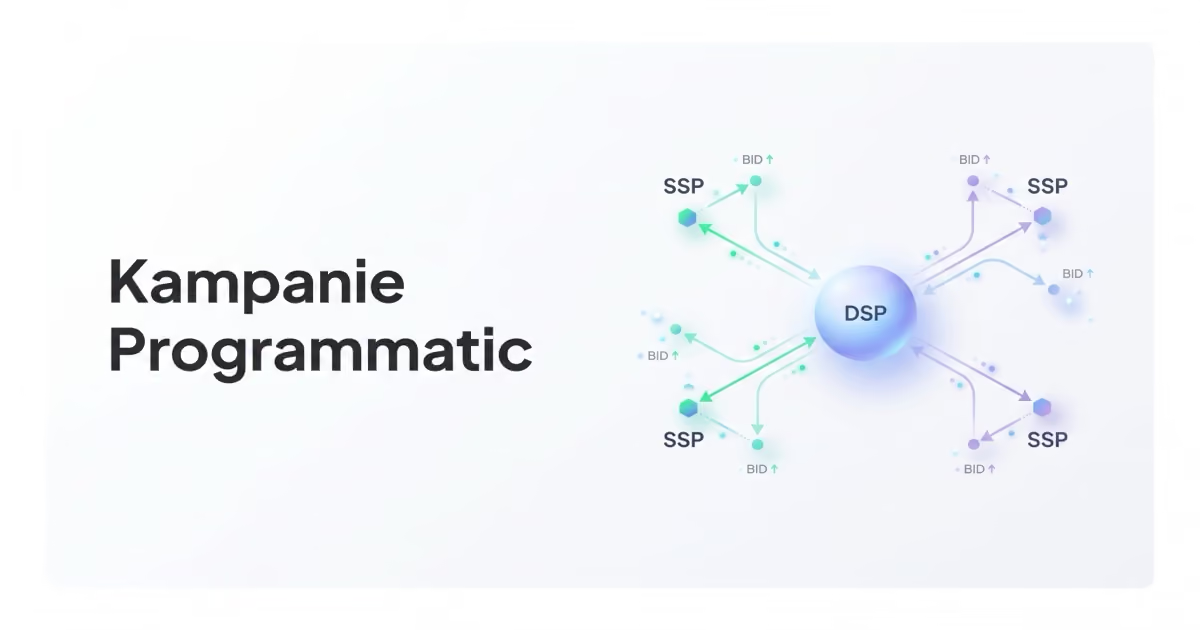
Kampanie programmatic to zautomatyzowany zakup powierzchni reklamowej z użyciem danych, platform technologicznych i reguł optymalizacji. Mogą obejmować display, wideo, audio, digital out-of-home i CTV. Programmatic nie jest jednym formatem reklamy, ale sposobem kupowania mediów, w którym decyzje o emisji są wspierane technologią.
W skrócie
- Programmatic to automatyzowany zakup mediów, nie pojedynczy format reklamy.
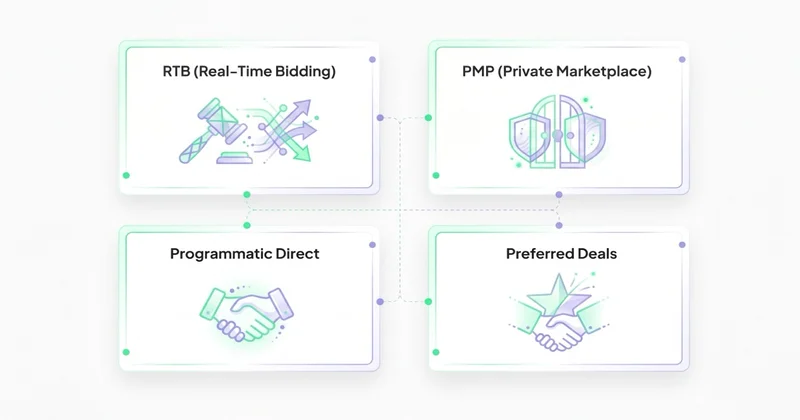
- RTB jest jednym z modeli programmatic, ale istnieją też private marketplace i programmatic guaranteed.
- Najważniejsze narzędzia: DSP, SSP, giełdy reklam, dane odbiorców, brand safety i pomiar.
- Programmatic ma sens przy większej skali, potrzebie kontroli zasięgu i wielu formatach.
- Bez kontroli jakości łatwo kupić tani, ale mało wartościowy ruch.
Słowniczek pojęć
- Programmatic — zautomatyzowany zakup mediów.
- DSP — platforma do zakupu reklam po stronie reklamodawcy.
- SSP — platforma do sprzedaży powierzchni po stronie wydawcy.
- PMP — private marketplace, prywatna giełda wybranych wydawców.
- Programmatic guaranteed — zakup automatyczny z ustalonym wolumenem i ceną.
- CTV — Connected TV, reklama na telewizorach połączonych z internetem.
Jak działa programmatic
Programmatic łączy:
- dane o odbiorcach,
- cele kampanii,
- inventory wydawców,
- reguły stawek,
- kreacje,
- pomiar,
- kontrolę jakości.
System decyduje, gdzie, komu i za ile wyświetlić reklamę, ale reklamodawca nadal musi ustawić strategię, wykluczenia i kryteria sukcesu.
Modele zakupu
| Model | Charakterystyka |
|---|---|
| Open auction | szeroka aukcja, duża skala |
| Private marketplace | wybrani wydawcy i większa kontrola |
| Preferred deal | preferencyjne warunki bez gwarancji |
| Programmatic guaranteed | ustalony wolumen i cena |
| Direct programmatic | automatyzacja zakupu bez pełnej otwartej aukcji |
Wybór modelu zależy od celu: zasięg, jakość, premium, kontrola kontekstu, performance albo CTV.
Kiedy warto używać programmatic
Programmatic ma sens, gdy:
- potrzebny jest duży zasięg,
- marka działa na wielu formatach,
- ważna jest kontrola częstotliwości,
- kampania obejmuje display, wideo lub CTV,
- potrzebne są zakupy premium przez PMP,
- istnieje budżet na optymalizację i pomiar,
- zespół rozumie brand safety.
Przy małych budżetach i prostych celach często lepiej zacząć od Google Ads, Meta Ads lub kampanii YouTube.
Programmatic a Google Ads
Google Ads jest prostszym narzędziem reklamowym. DV360 i ekosystem Google Marketing Platform dają większą kontrolę nad zakupem programmatic, inventory, brand safety, częstotliwością i raportowaniem, ale wymagają większych kompetencji i budżetu.
Ryzyka programmatic
Najważniejsze ryzyka:
- niska widoczność,
- fraud,
- niepożądany kontekst,
- duplikacja zasięgu,
- zbyt wysoka częstotliwość,
- słaba jakość inventory,
- ocena wyłącznie po tanim CPM.
Dlatego potrzebne są listy wykluczeń, kontrola placementów, narzędzia weryfikacji i jasne KPI.
Jak mierzyć kampanię
Warto analizować:
- zasięg unikalny,
- częstotliwość,
- viewability,
- completion rate wideo,
- koszt efektywnego kontaktu,
- brand lift,
- wizyty na stronie,
- konwersje wspomagane,
- jakość placementów,
- wpływ na wyszukiwania brandowe.
Nie każda kampania programmatic musi być oceniana jak kampania sprzedażowa.
Jak podchodzimy do tego w Space Ads
W Space Ads traktujemy programmatic jako kanał do konkretnych zadań, nie obowiązkowy etap rozwoju każdego konta reklamowego. Najpierw sprawdzamy, czy cel wymaga zasięgu, CTV, wideo, PMP, kontroli frequency albo premium inventory, którego nie da się sensownie kupić w prostszych systemach. Jeśli Google Ads, Meta Ads lub YouTube nadal obsługują popyt efektywniej, nie dokładamy DSP tylko po to, żeby zwiększyć liczbę narzędzi. Przy programmatic kluczowe są KPI, listy wykluczeń, viewability, brand safety, fraud, jakość placementów i raportowanie po realnym kontakcie, nie po samym CPM. Ten kanał ma sens wtedy, gdy większa kontrola zakupu mediów idzie w parze z budżetem i kompetencjami do stałej optymalizacji.
Najczęstsze błędy
| Błąd | Skutek | Lepsze podejście |
|---|---|---|
| Programmatic bez celu | chaos zakupowy | KPI przed startem |
| Ocena tylko CPM | słaba jakość | widoczność i brand safety |
| Brak wykluczeń | ryzyko wizerunkowe | listy i kontrola |
| Za mały budżet | brak optymalizacji | dobór kanału do skali |
| Brak pomiaru post-view | niepełny wpływ | analiza lejka |
Najczęstsze pytania
Czy programmatic to RTB?
RTB jest częścią programmatic, ale programmatic obejmuje też inne modele zakupu, np. PMP i programmatic guaranteed.
Czy programmatic jest dla e-commerce?
Może być, szczególnie przy większej skali, remarketingu, display, wideo i CTV. Mały sklep często zacznie efektywniej od Search, Shopping, PMax i Meta Ads.
Czy programmatic jest drogi?
Koszt zależy od modelu zakupu, inventory, danych i obsługi. Wymaga budżetu pozwalającego na optymalizację i kontrolę jakości.
Najważniejsze
- Programmatic to sposób automatyzowanego zakupu mediów.
- RTB jest jednym z jego modeli.
- Najważniejsze są jakość inventory, brand safety i pomiar.
- DV360 daje większą kontrolę niż standardowe narzędzia reklamowe, ale wymaga kompetencji.
- Programmatic powinien mieć jasny cel: zasięg, świadomość, CTV, remarketing lub wsparcie lejka.
Źródła
Dalsza lektura
Czytaj również

Benchmarki Google Ads: jak z nich korzystać, żeby nie wprowadzały w błąd
Średni CTR lub CPC ma wartość dopiero po dopasowaniu definicji, typu kampanii, rynku i celu. Pokazujemy, jak ocenić benchmark i zbudować własny punkt odniesienia.


Reklama aplikacji mobilnej: kampanie Google App i Meta
Google App campaigns i Meta Advantage+ app campaigns automatyzują dystrybucję, lecz nie zastępują strategii. Wynik zależy od zdarzeń po instalacji, jakości kreacji, deep linków i ekonomii kohort.

Eksperymenty w Google Ads: testy, które kończą się decyzją
Dobry eksperyment Google Ads zaczyna się od hipotezy, minimalnego istotnego efektu i reguły decyzji. Wyjaśniamy typy testów, podział ruchu, moc, opóźnienie konwersji i interpretację wyników.