RTB (Real-Time Bidding) to model zakupu reklam, w którym pojedyncza odsłona reklamy jest kupowana w czasie rzeczywistym w aukcji. Gdy użytkownik otwiera stronę lub aplikację, systemy reklamowe w ułamku sekundy oceniają, czy warto licytować daną emisję, z jaką stawką i jaką kreację pokazać. RTB jest częścią szerszego ekosystemu programmatic.
W skrócie
- RTB to aukcja pojedynczej odsłony w czasie rzeczywistym.
- Jest elementem reklamy programmatic, ale nie każdy zakup programmatic musi być RTB.
- Najczęściej dotyczy display, wideo, mobile, CTV i audio.
- Wymaga kontroli jakości: brand safety, widoczności, fraudu, częstotliwości i źródeł emisji.
- Nie jest formatem reklamy, tylko sposobem zakupu mediów.
Słowniczek pojęć
- RTB — Real-Time Bidding.
- Programmatic — zautomatyzowany zakup mediów.
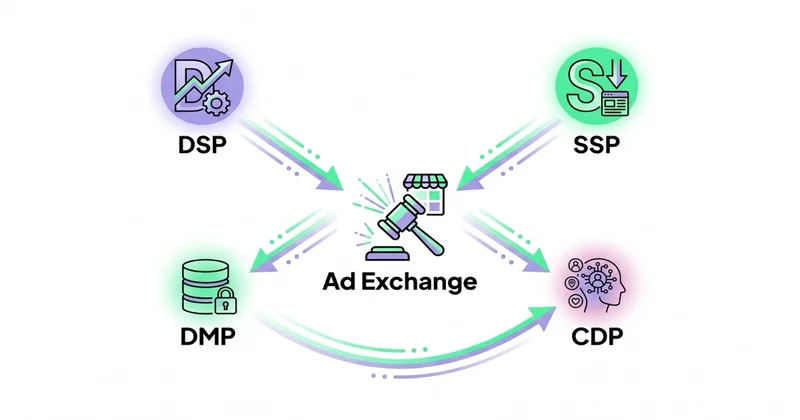
- DSP — platforma po stronie kupującego, np. DV360.
- SSP — platforma po stronie wydawcy.
- Ad exchange — giełda reklam.
- Impression — pojedyncza odsłona reklamy.
- Brand safety — ochrona marki przed niepożądanym kontekstem.
Jak działa RTB
Uproszczony proces:
- Użytkownik otwiera stronę lub aplikację.
- Wydawca udostępnia możliwość wyświetlenia reklamy.
- SSP wysyła zapytanie do giełdy.
- DSP reklamodawców oceniają wartość odsłony.
- Systemy składają oferty.
- Wygrywa oferta zgodna z aukcją i zasadami.
- Reklama wyświetla się użytkownikowi.
Cały proces dzieje się automatycznie i bardzo szybko.
RTB a programmatic
Programmatic oznacza zautomatyzowany zakup mediów. RTB jest jednym ze sposobów tego zakupu. Inne modele to m.in. programmatic guaranteed, private marketplace i umowy bezpośrednie wspierane technologią.
| Element | RTB | Programmatic guaranteed |
|---|---|---|
| Zakup | aukcja odsłony | umowa z góry |
| Cena | zmienna | ustalona |
| Kontrola inventory | niższa lub zależna od ustawień | wyższa |
| Skala | wysoka | zależna od umowy |
| Zastosowanie | performance i zasięg | premium, CTV, duże kampanie |
Kiedy RTB ma sens
RTB sprawdza się przy:
- kampaniach display,
- wideo,
- CTV,
- remarketingu,
- kampaniach zasięgowych,
- testowaniu segmentów,
- zakupie szerokiej powierzchni reklamowej,
- optymalizacji pod określony cel.
Nie jest najlepszym rozwiązaniem, jeśli marka potrzebuje pełnej kontroli kontekstu premium lub ma bardzo mały budżet bez zasobów do optymalizacji.
Co kontrolować
W RTB ważne są:
- widoczność reklam,
- fraud,
- brand safety,
- częstotliwość,
- źródła inventory,
- listy wykluczeń,
- jakość placementów,
- koszt efektywnej emisji,
- wpływ na konwersje lub zasięg.
Automatyzacja zakupu nie oznacza braku kontroli.
Jak podchodzimy do tego w Space Ads
W Space Ads patrzymy na RTB przez jakość zakupu mediów, a nie przez samą automatyzację aukcji. Przy kampaniach opartych na takim modelu sprawdzamy, jakie inventory jest kupowane, czy emisje są widoczne, czy kontekst jest bezpieczny dla marki, jak działa frequency cap i czy raportowanie oddziela realny kontakt od tanich odsłon bez wartości. Dane konwersji i segmenty odbiorców pomagają licytować tam, gdzie jest większe prawdopodobieństwo efektu, ale nie zastępują kontroli placementów, fraudu i kreacji. W praktyce RTB ma sens wtedy, gdy budżet, cel i narzędzia pozwalają na stałą optymalizację jakości emisji, nie tylko na kupowanie najniższego CPM.
Najczęstsze błędy
| Błąd | Skutek | Lepsze podejście |
|---|---|---|
| Mylenie RTB z formatem reklamy | błędna strategia | RTB jako model zakupu |
| Brak brand safety | ryzyko wizerunkowe | listy i ustawienia jakości |
| Ocena tylko po CPM | tanie, słabe emisje | widoczność i jakość |
| Brak limitów frequency | irytacja użytkownika | kontrola częstotliwości |
| Brak pomiaru fraudu | zmarnowany budżet | narzędzia weryfikacji |
Najczęstsze pytania
Czy RTB to to samo co programmatic?
Nie. RTB jest jednym z modeli zakupu programmatic, opartym na aukcji w czasie rzeczywistym.
Czy RTB nadaje się do sprzedaży?
Może wspierać sprzedaż, szczególnie w remarketingu, ale często pracuje też na zasięg, świadomość i kontakt z użytkownikiem przed konwersją.
Czy RTB jest tylko dla dużych marek?
Nie zawsze, ale wymaga wiedzy, narzędzi i kontroli jakości. Przy małych budżetach prostsze kampanie Google Ads lub Meta Ads mogą być bardziej praktyczne.
Najważniejsze
- RTB to aukcja odsłony w czasie rzeczywistym.
- Jest częścią ekosystemu programmatic.
- Największe znaczenie mają kontrola jakości, brand safety i widoczność.
- RTB nie jest formatem reklamy, lecz sposobem zakupu.
- Skuteczność trzeba mierzyć poza samym CPM.
Źródła
Dalsza lektura
Czytaj również

Benchmarki Google Ads: jak z nich korzystać, żeby nie wprowadzały w błąd
Średni CTR lub CPC ma wartość dopiero po dopasowaniu definicji, typu kampanii, rynku i celu. Pokazujemy, jak ocenić benchmark i zbudować własny punkt odniesienia.


Reklama aplikacji mobilnej: kampanie Google App i Meta
Google App campaigns i Meta Advantage+ app campaigns automatyzują dystrybucję, lecz nie zastępują strategii. Wynik zależy od zdarzeń po instalacji, jakości kreacji, deep linków i ekonomii kohort.

Eksperymenty w Google Ads: testy, które kończą się decyzją
Dobry eksperyment Google Ads zaczyna się od hipotezy, minimalnego istotnego efektu i reguły decyzji. Wyjaśniamy typy testów, podział ruchu, moc, opóźnienie konwersji i interpretację wyników.