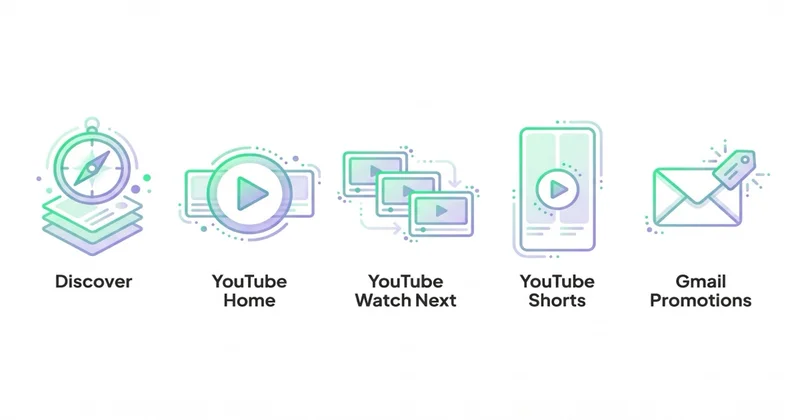
Kampanie Discovery w Google Ads zostały zastąpione przez Demand Gen, dlatego temat warto omawiać już przez pryzmat nowego typu kampanii. Demand Gen służy do budowania popytu i docierania do użytkowników w wizualnych, feedowych i wideo powierzchniach Google, takich jak YouTube, YouTube Shorts, Discover i Gmail.
To nie jest odpowiednik klasycznego Search, gdzie użytkownik wpisuje konkretne zapytanie. Demand Gen działa bliżej kampanii social i wideo: opiera się na kreacji, odbiorcach, sygnałach zainteresowania i zdolności do wzbudzenia potrzeby przed aktywnym wyszukiwaniem.
W skrócie
- Discovery Ads należy traktować jako historyczną nazwę, a aktualnym kierunkiem Google jest Demand Gen.
- Demand Gen działa na powierzchniach wizualnych i feedowych, m.in. YouTube, Shorts, Discover i Gmail.
- Kampania nadaje się do budowania popytu, remarketingu, promocji treści, produktów i ofert wymagających pokazania kontekstu.
- Kreacje mają większe znaczenie niż w klasycznym Search.
- W e-commerce Demand Gen może korzystać z feedu produktowego, ale powinien mieć inną rolę niż Shopping lub Performance Max.
Czym były kampanie Discovery?
Discovery Ads były formatem reklam wyświetlanych w powierzchniach takich jak Discover, Gmail i YouTube. Ich rolą było dotarcie do użytkowników zanim wpiszą konkretne zapytanie w wyszukiwarce. Google rozwinął ten kierunek w kampanie Demand Gen, które mają szerszy zestaw formatów, powierzchni i rozwiązań opartych na zasobach.
Dlatego przy planowaniu nowych działań lepiej używać pojęcia Demand Gen. Stara nazwa nadal może pojawiać się w starszych materiałach, raportach lub rozmowach, ale operacyjnie ważne jest aktualne środowisko kampanii.
Jak działa Demand Gen?
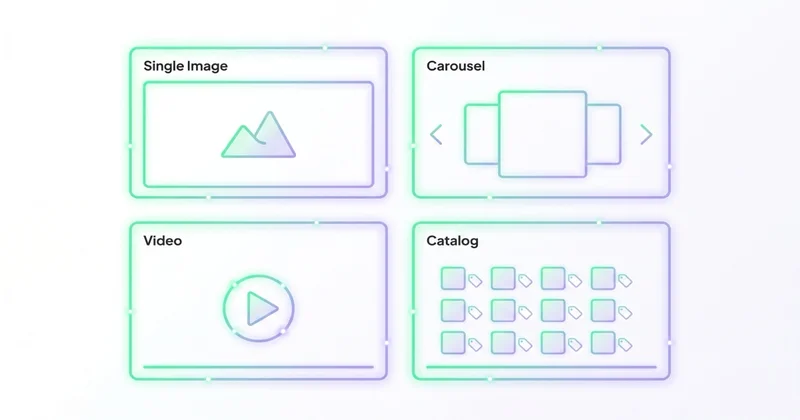
Demand Gen łączy odbiorców, kreacje i automatyzację stawek. Kampania może wykorzystywać obrazy, karuzele, wideo, teksty i feed produktowy. Celem jest dotarcie do użytkowników w momentach przeglądania, oglądania i odkrywania treści.
W odróżnieniu od Search, użytkownik nie musi aktywnie wpisywać zapytania. Dlatego komunikat musi szybciej wyjaśniać:
- co jest oferowane,
- dla kogo jest oferta,
- jaki problem rozwiązuje,
- dlaczego warto zwrócić uwagę,
- co ma się wydarzyć po kliknięciu.
Demand Gen a Performance Max
| Obszar | Demand Gen | Performance Max |
|---|---|---|
| Główna rola | Budowanie popytu i angażowanie odbiorców | Maksymalizacja wyniku w wielu kanałach Google |
| Kreacje | Bardzo ważne, szczególnie wideo i obrazy | Ważne, ale mocno połączone z feedem i automatyzacją |
| Kontrola | Większa rola odbiorców i formatów | Większa automatyzacja całości |
| E-commerce | Promocja produktów, kolekcji, inspiracji | Sprzedaż produktowa i skalowanie |
| Etap lejka | Góra i środek lejka, remarketing | Cały lejek, szczególnie performance |
Te kampanie nie muszą ze sobą konkurować. Demand Gen może budować zainteresowanie, a Search, Shopping i Performance Max mogą przejmować popyt bliżej decyzji.
Kiedy warto używać Demand Gen?
Nowa marka lub produkt
Jeżeli użytkownicy jeszcze nie szukają konkretnej marki, Search może mieć ograniczony zasięg. Demand Gen pozwala pokazać produkt lub usługę wcześniej.
Oferta wymagająca pokazania
Produkty wizualne, lifestyle, moda, wnętrza, kosmetyki, gastronomia, aplikacje i usługi kreatywne często potrzebują obrazu lub wideo, żeby zbudować zainteresowanie.
Remarketing
Demand Gen może przypominać ofertę osobom, które odwiedziły stronę, oglądały produkty, weszły w interakcję z kanałem YouTube albo znajdują się w bazie klientów.
Wsparcie kampanii sprzedażowych
Przy stabilnych kampaniach Search i PMax Demand Gen może poszerzać pulę użytkowników, którzy później wracają przez wyszukiwarkę, remarketing lub kampanie produktowe.
Jak przygotować kampanię?
1. Cel kampanii
Najpierw trzeba określić, czy kampania ma generować sprzedaż, leady, ruch, rozważanie zakupu czy popyt na nową kategorię. Ten wybór wpływa na kreacje, odbiorców i ocenę wyników.
2. Odbiorcy
Demand Gen może wykorzystywać różne segmenty odbiorców, w tym dane first-party, remarketing, zainteresowania i segmenty niestandardowe. Najlepsze wyniki zwykle wymagają jasnej hipotezy: do kogo kierowana jest oferta i dlaczego ta grupa ma zareagować.
3. Kreacje
Kreacje powinny być projektowane do szybkiego kontaktu. Warto przygotować:
- krótkie wideo,
- obrazy produktowe i lifestyle,
- karuzele,
- różne nagłówki,
- warianty dla remarketingu i prospectingu,
- komunikaty dopasowane do etapu lejka.
4. Landing page
Strona docelowa powinna kontynuować historię z reklamy. Jeżeli reklama pokazuje inspirację, landing page nie może być przypadkową kategorią bez kontekstu. Jeżeli reklama dotyczy promocji, promocja musi być jasna na stronie.
5. Pomiar
Przed startem należy sprawdzić konwersje, wartości konwersji, import danych z GA4 lub Google Ads i jakość zdarzeń. Kampania budująca popyt może mieć dłuższą ścieżkę, więc analiza wyłącznie ostatniego kliknięcia bywa zbyt uproszczona.
Jak to działa w e-commerce?
W sklepach internetowych Demand Gen sprawdza się przy:
- premierach produktów,
- kolekcjach sezonowych,
- promocjach,
- kategoriach wizualnych,
- remarketingu koszyka,
- inspiracjach produktowych,
- ponownym angażowaniu klientów.
Jeżeli kampania korzysta z feedu produktowego, dane w Merchant Center muszą być aktualne. Zdjęcia, tytuły, ceny i dostępność wpływają na to, czy reklama jest spójna z ofertą.
Jak mierzyć efekty?
W zależności od celu warto analizować:
- sprzedaż i wartość konwersji,
- koszt pozyskania leada,
- udział nowych użytkowników,
- konwersje wspomagane,
- zaangażowanie po kliknięciu,
- wyniki według kreacji,
- wyniki według odbiorców,
- opóźnienie konwersji,
- wpływ na zapytania brandowe i remarketing.
Demand Gen często wymaga cierpliwszej oceny niż Search. Użytkownik może najpierw zobaczyć reklamę, później wrócić przez wyszukiwarkę, a dopiero następnie dokonać zakupu.
Jak podchodzimy do tego w Space Ads
W Space Ads prowadzimy ten obszar jako Demand Gen i traktujemy go jako kampanię do budowania oraz wzmacniania popytu, nie jako zamiennik Search. Najpierw sprawdzamy, czy produkt lub usługa da się pokazać wizualnie: przez wideo, obraz, karuzelę, feed albo kontekst użycia. Potem dobieramy odbiorców, sygnały first-party, remarketing, kreacje i landing page tak, żeby użytkownik po kliknięciu widział kontynuację tej samej obietnicy. W ocenie nie ograniczamy się do kosztu ostatniego kliknięcia, bo Demand Gen często pracuje wcześniej w ścieżce. Analizujemy jakość ruchu, wpływ na remarketing, zapytania brandowe, konwersje wspomagane, opóźnienie zakupu i wynik sprzedaży w połączeniu z Search, Shopping oraz Performance Max.
Najczęstsze błędy
- Traktowanie Demand Gen jak kampanii Search.
- Używanie statycznych, mało czytelnych grafik bez wyraźnego produktu lub kontekstu.
- Brak rozdzielenia prospectingu i remarketingu.
- Ocena wyników po zbyt krótkim czasie.
- Brak spójności między reklamą a landing page.
- Kopiowanie kreacji z social bez dostosowania do powierzchni Google.
- Uruchomienie kampanii bez poprawnych konwersji.
FAQ
Czy Discovery Ads nadal istnieją?
W praktyce nowe planowanie powinno opierać się na Demand Gen. Discovery funkcjonuje głównie jako starsza nazwa formatu i etap rozwoju produktu Google.
Czy Demand Gen zastępuje Search?
Nie. Search odpowiada na aktywny popyt, a Demand Gen pomaga ten popyt budować lub wzmacniać. Te kanały mają różne role.
Czy Demand Gen nadaje się dla B2B?
Tak, ale wymaga dobrej strategii odbiorców, mocnych kreacji i realistycznej oceny jakości leadów. W B2B często lepiej mierzyć nie tylko liczbę leadów, ale ich kwalifikację.
Czy Demand Gen jest dobre dla sklepów internetowych?
Tak, szczególnie przy produktach wizualnych, remarketingu, kolekcjach i promocjach. Nie zastępuje jednak pracy nad feedem, Shopping, PMax i stronami produktowymi.
Najważniejsze
Demand Gen to kampania do budowania i wzmacniania popytu w wizualnych powierzchniach Google. Największą rolę odgrywają kreacje, odbiorcy, landing page i poprawny pomiar. Warto traktować ją jako uzupełnienie Search, Shopping i Performance Max, a nie bezpośredni zamiennik kampanii odpowiadających na gotową intencję.
Discovery i Demand Gen prowadzimy jako część szerszej strategii w kampaniach Google Ads — od kreacji po dobór odbiorców.
Źródła i dalsza lektura
Czytaj również

Benchmarki Google Ads: jak z nich korzystać, żeby nie wprowadzały w błąd
Średni CTR lub CPC ma wartość dopiero po dopasowaniu definicji, typu kampanii, rynku i celu. Pokazujemy, jak ocenić benchmark i zbudować własny punkt odniesienia.


Reklama aplikacji mobilnej: kampanie Google App i Meta
Google App campaigns i Meta Advantage+ app campaigns automatyzują dystrybucję, lecz nie zastępują strategii. Wynik zależy od zdarzeń po instalacji, jakości kreacji, deep linków i ekonomii kohort.

Eksperymenty w Google Ads: testy, które kończą się decyzją
Dobry eksperyment Google Ads zaczyna się od hipotezy, minimalnego istotnego efektu i reguły decyzji. Wyjaśniamy typy testów, podział ruchu, moc, opóźnienie konwersji i interpretację wyników.