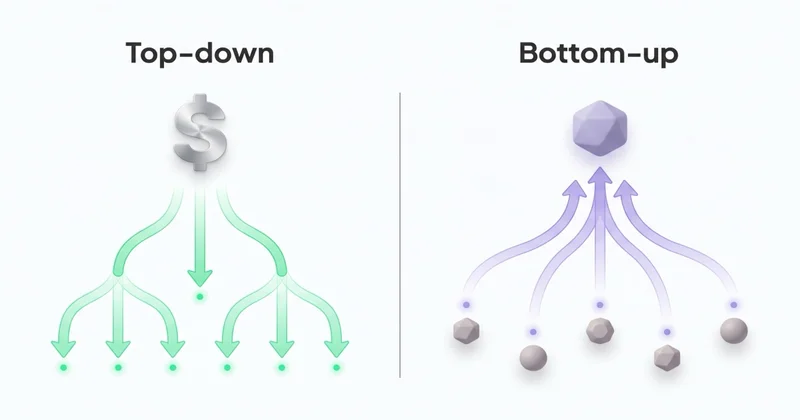
Budżet marketingowy to plan alokacji pieniędzy, czasu i zasobów na działania, które mają doprowadzić do określonego celu biznesowego. Nie powinien być przypadkową kwotą ani stałym procentem przychodu bez kontekstu. Dobry budżet wynika z celu, marży, kosztu pozyskania, cyklu sprzedaży i potencjału kanałów.

Najważniejsze pytanie brzmi: ile można wydać na pozyskanie klienta, aby sprzedaż nadal była rentowna?
W skrócie
- Budżet marketingowy powinien wynikać z celu, a nie z samej dostępnej kwoty.
- Trzeba rozdzielić budżet na działania performance, brand, testy, retencję i produkcję treści.
- Wskaźniki takie jak CAC, LTV, marża i payback pomagają określić granice opłacalności.
- Mały budżet powinien być skoncentrowany, a nie rozproszony na wiele kanałów.
- W e-commerce budżet musi uwzględniać marżę, feed, sezonowość, logistykę i powtarzalność zakupów.
Od czego zacząć planowanie budżetu?
1. Cel biznesowy
Budżet inaczej wygląda dla celu sprzedażowego, inaczej dla wejścia na rynek, a inaczej dla budowania marki.
Przykłady celów:
- zwiększenie sprzedaży,
- pozyskanie leadów,
- wzrost rozpoznawalności,
- wejście z nowym produktem,
- odzyskanie klientów,
- zwiększenie udziału w rynku,
- poprawa rentowności kampanii.
2. Ekonomia klienta
Trzeba znać przynajmniej podstawowe wartości:
- średni przychód z zamówienia,
- marża,
- koszt obsługi,
- powtarzalność zakupu,
- LTV,
- maksymalny akceptowalny CAC,
- czas zwrotu z pozyskania klienta.
Bez tych danych łatwo skalować kampanie, które generują przychód, ale nie generują zysku.
3. Etap firmy
Firma startująca potrzebuje więcej testów i budowania popytu. Firma dojrzała może większą część budżetu kierować w skalowanie sprawdzonych kanałów i retencję.
Performance, brand i testy
Budżet warto podzielić na trzy główne koszyki:
Performance
Działania nastawione na mierzalny wynik: Search, Shopping, PMax, remarketing, lead generation, afiliacja.
Brand
Działania budujące rozpoznawalność i zaufanie: YouTube, social, PR, content, sponsoring, kampanie zasięgowe.
Testy
Budżet na nowe kanały, kreacje, landing page'e, segmenty, oferty i eksperymenty.
Brak budżetu testowego prowadzi do stagnacji. Zbyt duży budżet testowy bez zasad prowadzi do chaosu.
Jak wyliczyć budżet od celu?
Przykład dla lead generation:
- Cel: 100 kwalifikowanych leadów miesięcznie.
- Akceptowalny koszt kwalifikowanego leada: 200 zł.
- Minimalny budżet mediowy: 20 000 zł.
- Dodatkowo: koszt kreacji, landing page, narzędzi, obsługi i analityki.
Przykład dla e-commerce:
- Cel: 200 000 zł przychodu miesięcznie z kampanii.
- Docelowy ROAS wynikający z marży: 500%.
- Budżet mediowy: około 40 000 zł.
- Dodatkowo: koszt produkcji kreacji, feedu, obsługi i promocji.
To uproszczenie. W praktyce trzeba uwzględnić marżę, zwroty, rabaty, dostawę i powtarzalność zakupów.
Jak rozdzielić budżet między kanały?
| Sytuacja | Priorytet |
|---|---|
| Istnieje aktywny popyt | Search, Shopping, SEO |
| Produkt jest nowy | Social, YouTube, content, PR |
| Sklep ma dużo produktów | Merchant Center, PMax, Shopping |
| Długi cykl B2B | Content, LinkedIn, Search, remarketing, e-mail |
| Niska rozpoznawalność | Brand, wideo, social, PR |
| Wysoka liczba porzuceń | CRO, e-mail, remarketing, checkout |
Kanał nie powinien dostawać budżetu tylko dlatego, że jest popularny. Musi mieć rolę w strategii.
Budżet mediowy a budżet całkowity
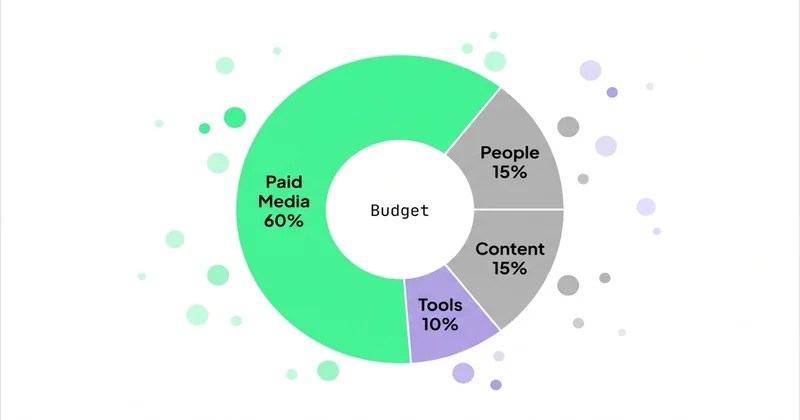
Budżet reklamowy to nie tylko kwota wydana w systemach reklamowych. Trzeba uwzględnić:
- zakup mediów,
- produkcję kreacji,
- copywriting,
- landing page'e,
- narzędzia,
- analitykę,
- wdrożenia techniczne,
- obsługę kampanii,
- raportowanie,
- testy.
Zbyt często cały budżet trafia do mediów, a brakuje środków na kreacje i stronę, które decydują o konwersji.
Jak to działa w e-commerce?
W sklepie internetowym budżet powinien uwzględniać:
- marżę kategorii,
- sezonowość,
- dostępność produktów,
- zwroty,
- rabaty,
- koszty dostawy,
- powtarzalność zakupów,
- udział nowych i powracających klientów,
- koszt obsługi klienta.
Nie każda kategoria powinna mieć taki sam cel ROAS. Produkty z wysoką marżą, produkty pierwszego zakupu i produkty retencyjne mogą mieć różne progi opłacalności.
Jak podchodzimy do tego w Space Ads
Budżet planujemy od ekonomii i dostępnego popytu, nie od okrągłej kwoty. Najpierw sprawdzamy marżę, akceptowalny CAC, LTV, sezonowość, udział nowych i powracających klientów oraz to, czy obecne kampanie są ograniczone budżetem, czy raczej skalą popytu. Jeśli Search, Shopping lub PMax tracą udział przez limit budżetu i nadal mieszczą się w progu rentowności, rekomendacja zwiększenia wydatków ma podstawę. Jeśli popyt jest już obsłużony, większy budżet może tylko podnieść koszt krańcowy. Dlatego część środków rezerwujemy na kreacje, analitykę, CRO i testy, bo bez tych elementów sam zakup mediów rzadko skaluje się stabilnie.
Najczęstsze błędy
- Planowanie budżetu jako stałego procentu bez celu.
- Rozbijanie małego budżetu na zbyt wiele kanałów.
- Brak budżetu na kreacje i landing page.
- Ocena kampanii po przychodzie bez marży.
- Brak rozdzielenia pozyskania i retencji.
- Zbyt szybkie skalowanie po krótkim okresie dobrych wyników.
- Brak rezerwy na testy i sezonowość.
FAQ
Jaki budżet marketingowy jest minimalny?
Nie ma jednej kwoty. Minimalny budżet zależy od celu, konkurencji, kosztów kliknięć, marży i kanału. Najważniejsze, aby budżet pozwalał zebrać dane potrzebne do decyzji.
Czy budżet brandowy jest potrzebny przy performance?
Zwykle tak, szczególnie w dłuższym terminie. Performance przechwytuje popyt, ale marka pomaga zwiększać zaufanie, CTR, konwersję i powroty.
Czy większy budżet zawsze daje większą sprzedaż?
Nie. Skalowanie działa tylko wtedy, gdy kanał ma potencjał, a oferta, strona i pomiar są gotowe. Przy słabej konwersji większy budżet powiększa straty.
Jak często aktualizować budżet?
Budżet warto przeglądać cyklicznie, a także po zmianach sezonowych, zmianach marży, wdrożeniu nowych produktów lub zmianie kosztu pozyskania.
Najważniejsze
Budżet marketingowy powinien wynikać z celu i ekonomii biznesu. Najpierw trzeba znać marżę, CAC, LTV i rolę kanałów, a dopiero potem dzielić środki. Dobry plan uwzględnia media, kreacje, analitykę, stronę, testy i retencję, a nie tylko kwotę wpisaną w panel reklamowy.
Zanim zwiększysz budżet, warto sprawdzić, gdzie się dziś marnuje — pokazuje to audyt kont reklamowych.
Źródła i dalsza lektura
Czytaj również

Marketing w spowolnieniu: co ciąć, co chronić, co skalować
W czasie spowolnienia nie warto obniżać każdego wydatku marketingowego o ten sam procent. Lepiej usunąć nieskuteczne działania, zachować kanały przynoszące klientów i rozważyć zwiększenie budżetu tam, gdzie wycofanie konkurencji obniżyło koszt dotarcia.



Ile firma powinna wydawać na marketing? Budżet jako % przychodu — benchmarki
Budżet marketingowy jako procent przychodu pomaga porównać skalę inwestycji, ale nie wyznacza właściwej kwoty dla firmy. Przewodnik łączy aktualne benchmarki z kalkulacją opartą na CAC, marży, okresie zwrotu i celu wzrostu.

ChatGPT Ads — formaty reklam i limity znaków według dokumentacji OpenAI
Reklama w ChatGPT pojawia się pod odpowiedzią i ma sześć elementów, a limity są konkretne: tytuł 3–50 znaków, opis do 100. Obiegowe liczby „24 / 48 znaków" nie zgadzają się z dokumentacją, więc wpis podaje pełną tabelę limitów, pokazuje, jak zmieścić komunikat po polsku, i opisuje wymogi wobec obrazu, reklam produktowych oraz strony docelowej.